The Civil War Ghost Who Drew Two Pensions: How America's Deadliest War Created Its Most Absurd Bureaucratic Nightmare
The Day Thomas Mitchell Died
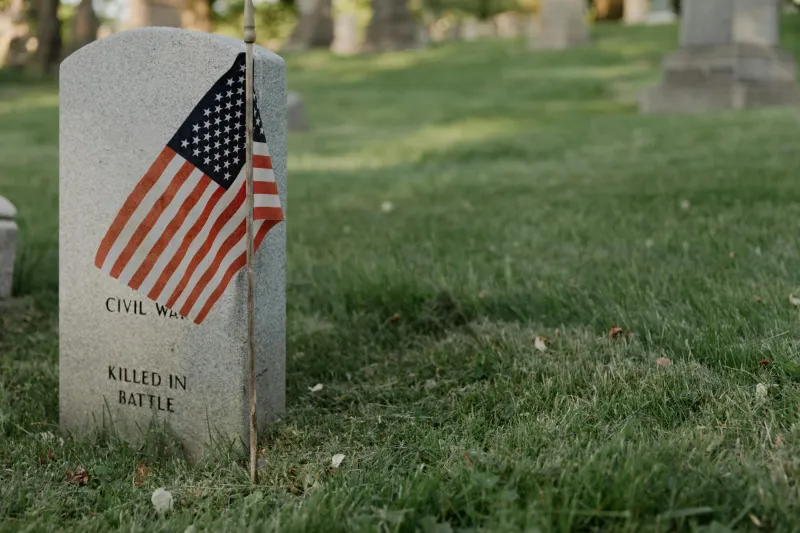
On July 3, 1863, Private Thomas Mitchell of the 15th Pennsylvania Infantry took a Confederate bullet to the chest during Pickett's Charge at Gettysburg. His commanding officer watched him fall, saw the blood, and did what officers did in the chaos of America's bloodiest battle: he scribbled Mitchell's name on the casualty list and moved on.
Except Thomas Mitchell wasn't dead. He was crawling through a cornfield, very much alive, but officially erased from existence.
The Resurrection of William Thompson
What do you do when your own government declares you dead but you're still breathing? If you're Thomas Mitchell, you walk 200 miles to Pittsburgh, pick a new name out of thin air, and start over as William Thompson. No family to notify — they'd already gotten the death telegram. No friends looking for you — they'd attended your memorial service.
For thirty-seven years, William Thompson lived a quiet life as a carpenter. He married, raised children, and never once mentioned his previous existence. The dead, after all, don't usually file complaints about their obituaries.
The Pension Office's Impossible Problem
In 1900, Congress passed the Disability Pension Act, offering monthly payments to Civil War veterans. William Thompson, now 58 and suffering from what we'd recognize today as PTSD, walked into the Pittsburgh pension office and filed his claim.
The clerk was efficient. Name? William Thompson. Unit? 15th Pennsylvania Infantry. The paperwork sailed through.
But here's where reality got weird: that same week, Thomas Mitchell's elderly sister in Philadelphia decided her dead brother deserved recognition. She filed a survivor's pension claim for her deceased sibling, submitting his military records, death certificate, and witness statements from Gettysburg.
Two different pension claims. Same soldier. One alive, one dead.
When the Government Pays a Ghost
The federal pension system in 1900 was a marvel of inefficiency. Different regional offices maintained separate filing systems. Cross-referencing was done by hand, if at all. The Philadelphia office approved Mrs. Mitchell's survivor claim without checking if anyone else named Thomas Mitchell had ever applied for anything.
Meanwhile, Pittsburgh approved William Thompson's disability pension without wondering why a carpenter knew so much about the 15th Pennsylvania's movements at Gettysburg.
For three years, the United States government sent monthly checks to both William Thompson (for being alive) and the estate of Thomas Mitchell (for being dead). Same man, same war wounds, double the money.
The Clerk Who Connected the Dots
In 1903, a sharp-eyed clerk named Margaret O'Brien was reconciling pension records when she noticed something odd. The 15th Pennsylvania Infantry had somehow gained a soldier: their roster showed 847 men, but pension claims added up to 848.
O'Brien spent weeks cross-referencing dates, battles, and medical descriptions. When she found two claims describing identical scars from identical battles fought by men of identical height, she knew she'd stumbled onto something unprecedented.
The investigation that followed reads like bureaucratic comedy. Federal agents interviewed William Thompson, who calmly explained that he'd been Thomas Mitchell until the government killed him off. They exhumed Thomas Mitchell's "grave" (it was empty). They questioned witnesses from Gettysburg, most of whom admitted they'd been too busy not dying to pay attention to casualty lists.
The Legal Paradox Nobody Could Solve
Here's what stumped federal lawyers: Was William Thompson committing fraud by collecting a pension under a false name? Or was the government committing fraud by paying benefits to a dead man? Who was the real person — the living carpenter or the dead soldier?
The case files, preserved in the National Archives, show months of correspondence between confused federal attorneys. One memorable memo asked: "If a man legally dies in government service, does he cease to exist even if he continues breathing?"
The Solomon-Like Solution
In 1904, the Pension Bureau reached a decision that satisfied no one but solved everything: William Thompson could keep his disability pension (he'd earned it), but Thomas Mitchell's survivor benefits would be discontinued (hard to be a survivor of yourself).
The ruling established an informal precedent that lasted decades: if war records killed you but you survived anyway, the government would split the difference.
The Paperwork Ghost That Haunted Washington
Thomas Mitchell's case wasn't unique — just the most thoroughly documented. Pension Bureau records suggest dozens of Civil War soldiers found themselves legally dead but physically alive. The scale of wartime casualties had overwhelmed record-keeping systems designed for smaller conflicts.
What makes Mitchell's story remarkable isn't the bureaucratic error — it's how long reality and paperwork existed in parallel universes. For four decades, two versions of the same man lived completely separate lives in government files.
The Legacy of Living Ghosts
William Thompson died in 1918 — officially, this time. His obituary listed him as a Civil War veteran, though it didn't mention he'd already been dead for 55 years according to federal records.
The Thomas Mitchell file remained active until 1923, when a clerk finally stamped it "RESOLVED — SUBJECT DISCOVERED ALIVE." By then, the bureaucrat who'd created the original error had been dead for a decade.
Today, genealogists researching Civil War ancestors occasionally stumble across these "resurrection files" — cases where soldiers died on paper but lived in person. The National Archives estimates several hundred such cases exist, hidden in pension records that nobody thought to cross-reference.
Thomas Mitchell's story reminds us that during America's bloodiest conflict, even death was negotiable — as long as you were willing to do the paperwork twice.