Orphaned Melodies: The Soviet Songs That Still Collect American Royalties from a Country That Doesn't Exist
The Music That Outlived Its Motherland
In a forgotten corner of the American Society of Composers, Authors and Publishers (ASCAP) headquarters sits a filing cabinet that contains one of the strangest bureaucratic puzzles of the post-Cold War era. Inside are royalty statements for hundreds of musical compositions whose legal owner ceased to exist on December 25, 1991.
When the Soviet Union dissolved, it left behind more than just nuclear weapons and territorial disputes. Hidden in the fine print of international copyright law was an unprecedented problem: what happens to intellectual property when the entity that owns it simply vanishes from the map?
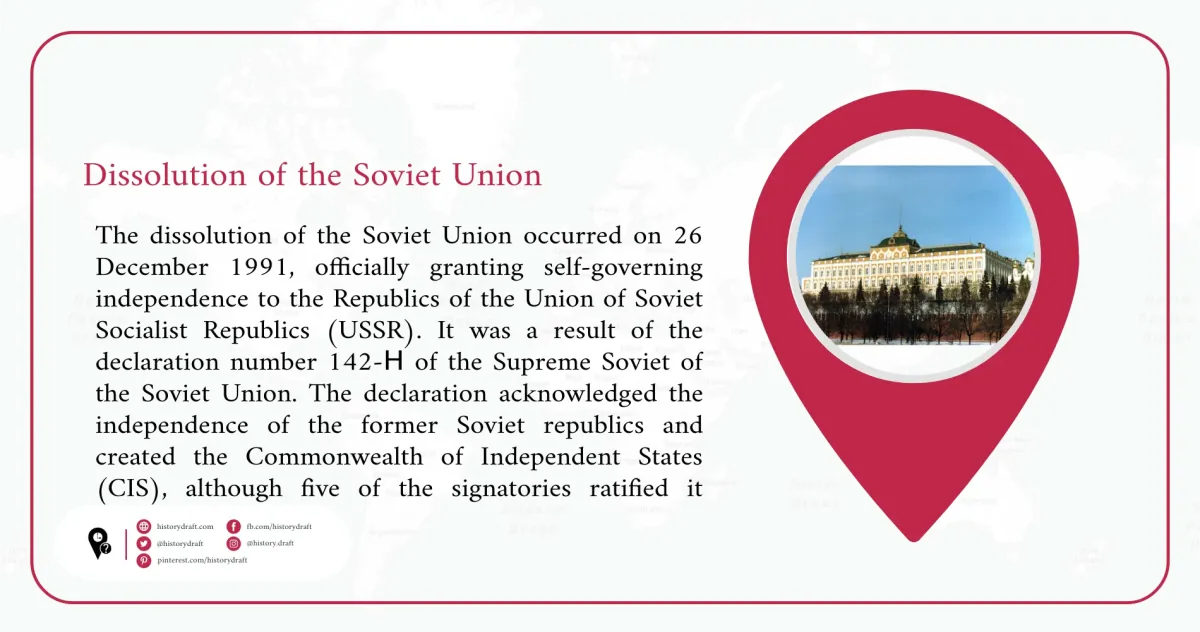 Photo: Soviet Union, via historydraft.com
The Phantom Rights Holder
Soviet-era compositions had been flooding American airwaves since the cultural thaw of the 1960s. Classical pieces by composers like Dmitri Shostakovich and Sergei Prokofiev, folk songs arranged by state-sponsored musicians, and even some surprisingly catchy propaganda tunes had found their way onto American radio stations, into Hollywood soundtracks, and onto concert hall programs.
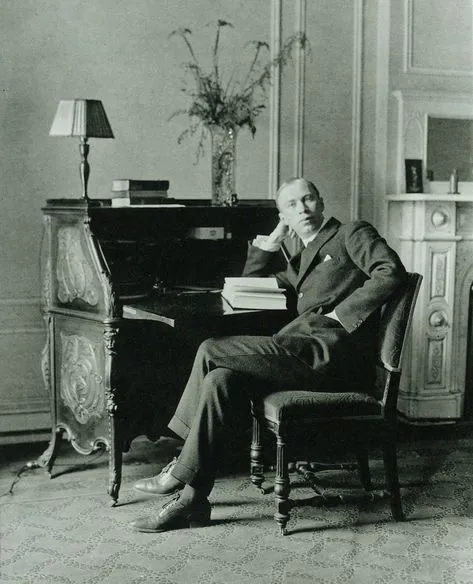 Photo: Sergei Prokofiev, via i.pinimg.com
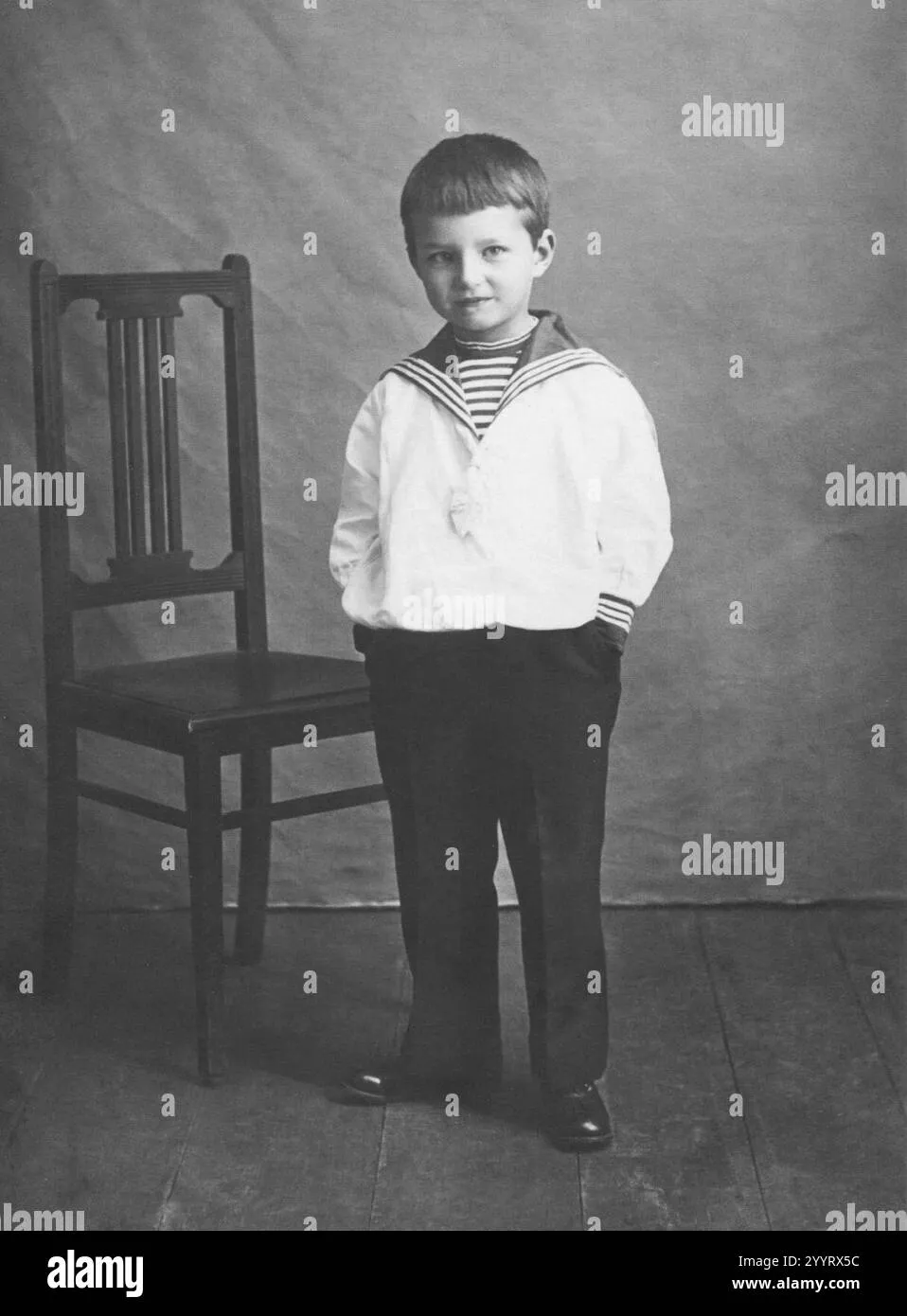 Photo: Dmitri Shostakovich, via c8.alamy.com
Under international copyright agreements, American entertainment companies were required to pay performance royalties whenever these works were used commercially. For decades, those payments had been dutifully sent to Sovintersong, the Soviet state agency that managed international music rights.
But on that cold December day in 1991, Sovintersong—along with the entire Soviet government—simply stopped existing. The music, however, kept playing.
Legal Limbo in B-Flat Minor
Copyright law, it turns out, was never designed to handle the death of nations. The legal framework assumes that rights holders are individuals, corporations, or stable governments that persist through normal political transitions. No one had written provisions for what happens when the copyright owner literally disappears from Earth.
American entertainment companies found themselves in an impossible situation. They were legally obligated to pay royalties for Soviet-era works, but there was no entity to pay. The Soviet Union was gone, but its copyrights lived on like musical ghosts haunting the American entertainment industry.
ASCAP and other performing rights organizations began accumulating these "orphaned royalties" in special accounts, waiting for someone—anyone—to figure out who legally owned the rights to thousands of Soviet-era compositions.
The Great Intellectual Property Land Grab
As news of the orphaned copyrights spread, the newly independent former Soviet republics began eyeing the accumulated royalties like prospectors spotting gold. Russia, as the largest successor state, claimed inheritance rights to most Soviet-era cultural works. Ukraine argued that compositions created by Ukrainian artists belonged to them. The Baltic states demanded recognition of their cultural contributions.
But the legal battles were just beginning. Many of the disputed works had been created by composers who lived in one republic, worked in another, and died in a third. Some pieces were collaborative efforts between artists from multiple Soviet republics. Others had been commissioned by the central Soviet government but performed by regional orchestras.
The situation became even more complicated when individual artists or their estates began asserting personal ownership claims. Some composers' families argued that their relatives had never voluntarily assigned rights to the Soviet state—the government had simply claimed ownership as part of its control over all cultural production.
The Bureaucratic Symphony
By the mid-1990s, American royalty collection agencies were managing what one ASCAP executive called "the world's strangest trust fund." Millions of dollars in accumulated payments sat in legal limbo while lawyers from multiple countries argued over ownership rights to everything from Prokofiev's "Peter and the Wolf" to obscure folk arrangements recorded by the Red Army Chorus.
The complexity was staggering. A single piece of music might have multiple claimants: the composer's estate, the original performer's home country, the successor state where it was recorded, and the Russian Federation as the primary Soviet heir. Some works had been registered under the names of composers who turned out to be pseudonyms for collective creative committees.
Meanwhile, American radio stations, streaming services, and concert venues continued playing Soviet-era music, adding fresh royalties to the growing pile of orphaned payments.
Resolution Through Exhaustion
After years of legal wrangling, most disputes were resolved through a combination of diplomatic negotiation, practical compromise, and sheer bureaucratic exhaustion. Russia successfully claimed the majority of major classical works, while smaller republics received rights to music specifically tied to their national traditions.
But the process took over a decade to complete, and some rights remain disputed to this day. There are still Soviet-era compositions whose legal ownership is unclear, generating royalty payments that flow into special accounts managed by international arbitrators.
The strangest cases involve works whose creators have been lost to history. Some pieces were recorded by musicians who used only stage names, or whose personal records were destroyed during World War II or Stalin's purges. These truly orphaned works continue generating royalties for a country that doesn't exist, paid by Americans to legal entities that may never be identified.
The Music Plays On
Today, when you hear Prokofiev's "Dance of the Knights" in a Hollywood movie or catch a performance of Shostakovich's Fifth Symphony on classical radio, you're witnessing the resolution of one of the Cold War's most unusual legacies. The royalty payments now flow to the appropriate successor states, individual artists' estates, or collective management organizations.
But somewhere in the archives of performing rights societies around the world, there are still accounts containing money earned by music from a nation that no longer exists. These orphaned royalties represent more than just bureaucratic confusion—they're evidence of how cultural creation transcends political boundaries, and how art can outlive the governments that try to control it.
The Soviet Union may have collapsed, but its songs play on, earning money in a capitalist economy for a communist state that exists now only in the footnotes of copyright law. In the end, the music proved more durable than the empire that created it.