When Uncle Sam Became a Produce Thief: The Federal Program That Legally Stole California Raisins
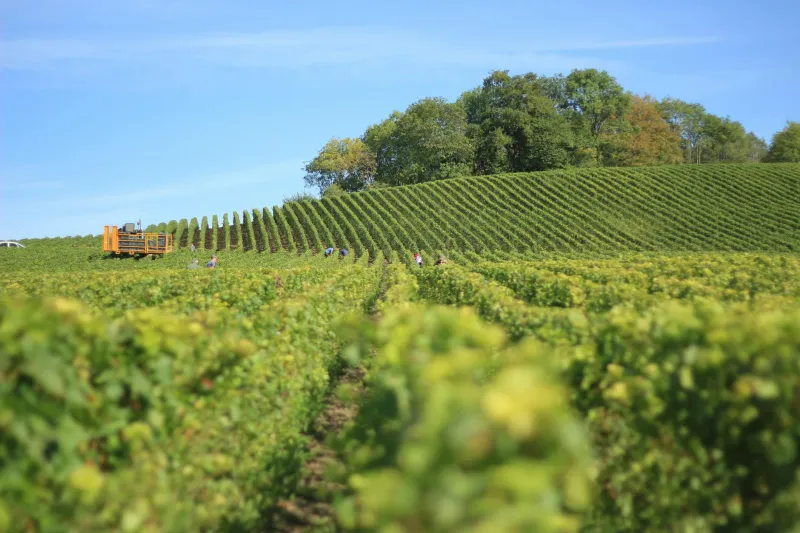
The Government Raisin Heist That Lasted Seven Decades
Picture this: federal agents showing up at your business, demanding you hand over a chunk of your inventory, and walking away without paying you a dime. Sounds like something from a dystopian novel, right? Well, if you were a California raisin farmer any time between 1949 and 2015, this was just another Tuesday.
The Raisin Administrative Committee — yes, that was a real government agency — had the legal authority to march into vineyards across the Golden State and essentially confiscate raisins. Not buy them. Not negotiate for them. Just take them. And somehow, this Soviet-style policy operated in the land of the free for more than seven decades.
How Depression-Era Desperation Became Permanent Policy
The story begins during the Great Depression, when collapsing agricultural prices threatened to destroy American farming. In 1937, Congress passed the Agricultural Marketing Agreement Act, designed to stabilize crop prices by controlling supply. The idea seemed reasonable enough: if there were too many raisins flooding the market, the government would step in, remove the excess, and theoretically keep prices stable for everyone.
What nobody expected was that this "temporary" emergency measure would outlive the Depression, World War II, the Cold War, the Clinton administration, 9/11, and the Obama presidency.
By the 1940s, the Raisin Administrative Committee had evolved into something that would make a medieval tax collector blush. Every year, this unelected board of industry insiders would decide how many raisins each farmer could actually sell. The rest? Those belonged to Uncle Sam now.
The Mechanics of Legal Theft
Here's how the system worked: Let's say you grew 1,000 tons of raisins. The committee might decide that farmers could only sell 600 tons that year. Your remaining 400 tons would be classified as "reserve raisins" — a bureaucratic euphemism for "stuff we're taking without paying you."
These seized raisins would then be stored in government warehouses, sold overseas, donated to school lunch programs, or simply left to rot. If the committee eventually made money selling your confiscated crop, you might — might — receive a small payment years later. But there was no guarantee.
The most mind-bending part? This wasn't considered theft or eminent domain. It was classified as a "marketing order," making it sound about as threatening as a grocery store circular.
Enter the Raisin Rebel
For decades, California farmers grumbled but complied. Then along came Marvin Horne, a Fresno raisin farmer who apparently missed the memo about quietly accepting government confiscation.
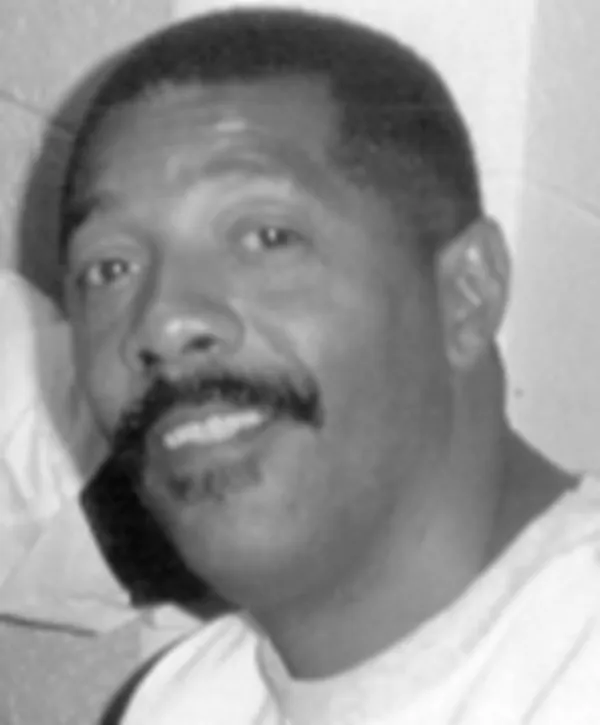 Photo: Marvin Horne, via cache.legacy.net
In the early 2000s, Horne decided he'd had enough. When the Raisin Administrative Committee demanded he surrender 47% of his 2002 crop and 30% of his 2003 harvest — totaling about 596 tons of raisins worth roughly $700,000 — Horne did something radical: he said no.
The government's response was swift and merciless. They hit Horne with fines totaling nearly $700,000, essentially demanding he pay the value of the raisins he refused to surrender, plus penalties.
David vs. Goliath in the Supreme Court
What followed was a legal odyssey that lasted over a decade. Horne argued that forcing him to give up his property without compensation violated the Fifth Amendment's Takings Clause. The government countered that raisins weren't really "taken" — they were just subject to "market regulation."
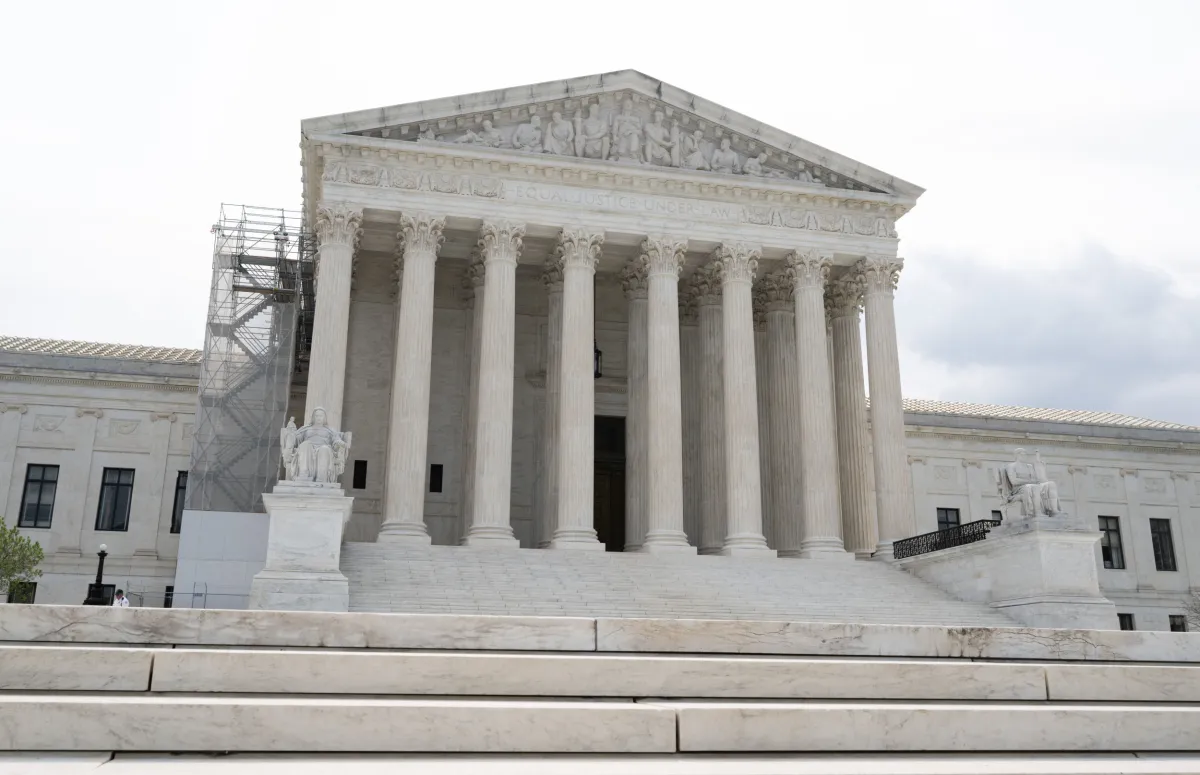 Photo: Supreme Court, via d.newsweek.com
Lower courts twisted themselves into legal pretzels trying to distinguish between physical property (like land) and personal property (like raisins). Some judges ruled that the government could seize personal property without the same constitutional protections that applied to real estate. Others disagreed.
Finally, in 2015, the case reached the Supreme Court. In a decision that should have surprised no one with basic common sense, the Court ruled 8-1 that yes, forcing farmers to surrender their crops without compensation does indeed violate the Constitution.
The End of an Era
Chief Justice John Roberts, writing for the majority, delivered what might be the most obvious legal conclusion in Supreme Court history: "The Government has a categorical duty to pay just compensation when it takes your car, just as when it takes your home."
With that, the Raisin Administrative Committee's reign of legalized confiscation finally ended. Marvin Horne, then in his 70s, had accomplished what seemed impossible — he'd defeated a federal bureaucracy that had operated with impunity for nearly eight decades.
The Bigger Picture
The raisin program's demise raises uncomfortable questions about how many other bizarre government powers are hiding in plain sight. If a federal committee could legally steal raisins for 70 years, what other Depression-era policies are still lurking in the bureaucratic shadows?
More importantly, it demonstrates how quickly "temporary" government programs become permanent fixtures. What started as emergency Depression relief morphed into a system that outlasted most of the farmers it was supposedly designed to help.
Marvin Horne's victory wasn't just about raisins — it was about the principle that in America, the government can't simply take your stuff because it feels like it. Sometimes it takes one stubborn farmer and a Supreme Court case to remind Washington of that basic truth.