In 1980, an unemployed California ventriloquist named Dennis Hope was sitting in his apartment, contemplating his financial troubles, when he had what would become either the most brilliant or most ridiculous business idea in modern history. Hope had been reading about space law and stumbled upon something that made him sit up straight: the 1967 Outer Space Treaty, signed by major world powers including the United States and Soviet Union, explicitly prohibited nations from claiming celestial bodies — but it said absolutely nothing about individuals.
The Loophole That Launched a Thousand Sales
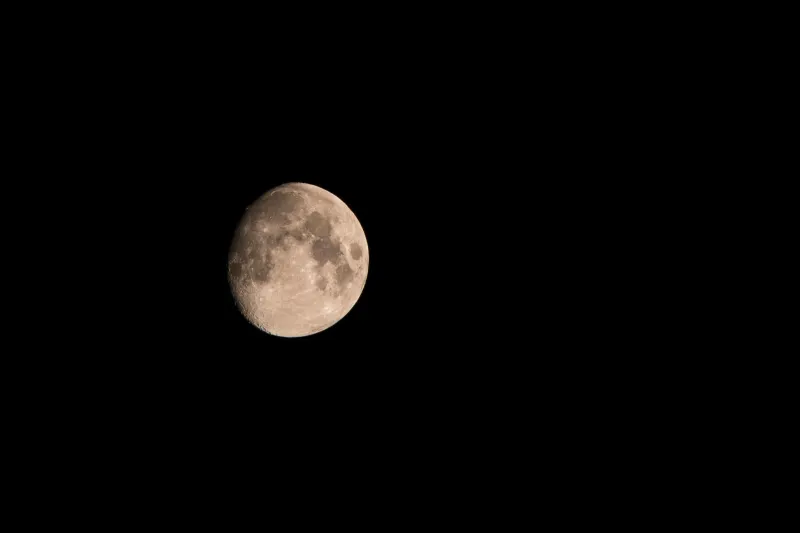
Hope's interpretation was breathtakingly simple. If countries couldn't own the moon, but individuals weren't specifically banned from doing so, then the lunar surface was essentially unclaimed real estate waiting for the right entrepreneur. Armed with this logic, Hope marched down to his local courthouse and filed a declaration of ownership for the entire moon, along with eight other planets and their moons in our solar system.
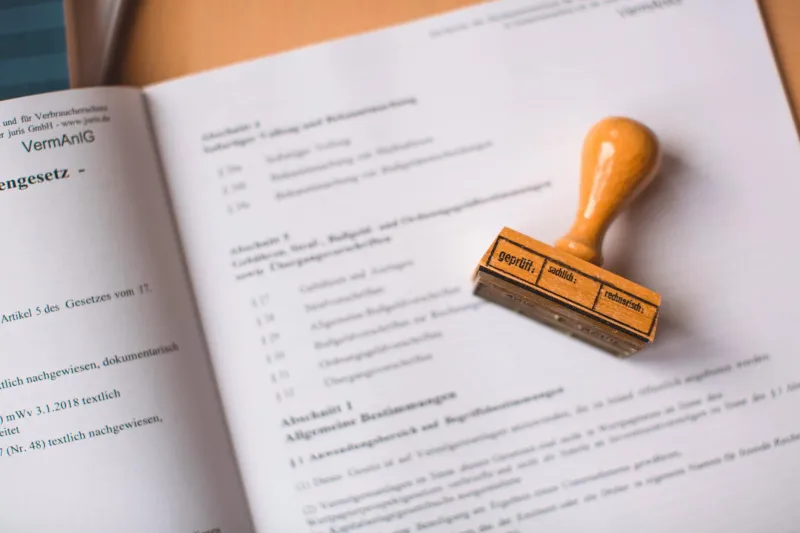
The bureaucrats at the San Francisco County Recorder's Office accepted his paperwork without question, stamping it with the same casual efficiency they'd use for any other property deed. Hope had just become, at least in his own mind, the legal owner of approximately 9 billion acres of lunar real estate.
From Ventriloquist to Intergalactic Landlord
What happened next defies every reasonable expectation about how such an absurd venture should unfold. Instead of being laughed out of existence, Hope's Lunar Embassy began attracting genuine customers. He printed up official-looking certificates, complete with his signature as "President of the Galactic Government," and started selling acre-sized plots of moon land for about $20 each.
The business model was surprisingly sophisticated. Hope didn't just sell random patches of lunar dust — he created detailed property maps, dividing the moon into recognizable regions with names like "Sea of Tranquility Estates" and "Mare Imbrium Gardens." Each deed came with a satellite photograph of the buyer's specific plot, mineral rights, and even a lunar constitution outlining property owner rights.
Celebrity Buyers and Serious Money
What started as a novelty quickly snowballed into something much larger. Word spread, and soon Hope was fielding orders from celebrities, politicians, and curiosity seekers around the world. Former President Ronald Reagan reportedly bought lunar property, as did Star Trek actors William Shatner and Leonard Nimoy. Even entire corporations got involved, with some companies purchasing lunar real estate as promotional stunts or employee gifts.
By the 2000s, Hope claimed to have sold property to over six million customers across 193 countries, generating millions of dollars in revenue. His business expanded beyond Earth's moon to include Mars, Venus, and Jupiter's moons. The Lunar Embassy became a global operation with franchises and official representatives in dozens of countries.
The Legal Gray Area That Won't Go Away
Here's where the story gets genuinely eerie: no court has ever definitively ruled that Hope's enterprise is illegal. The 1967 Outer Space Treaty remains exactly as vague as it was when Hope first read it. While legal experts generally agree that the treaty's spirit clearly intended to prevent all forms of celestial ownership, the letter of the law contains that persistent gap.
Several attempts have been made to clarify space property rights through international agreements, but none have been ratified by enough nations to close Hope's perceived loophole. The 1979 Moon Agreement explicitly banned private ownership of lunar territory, but the United States never signed it, leaving American entrepreneurs in the same legal limbo where Hope originally found himself.
The Empire That Exists Nowhere and Everywhere
Today, decades after Hope's initial filing, his lunar real estate empire continues operating. The Lunar Embassy maintains an active website, processes new orders, and even offers "prime" locations near the Apollo landing sites for premium prices. Hope has passed away, but his business model lives on, sustained by the enduring appeal of owning something impossibly distant and exotic.
The customers keep coming because, in a strange way, Hope's certificates provide something genuine: the thrill of participating in humanity's relationship with space exploration, even if that participation exists entirely on paper. Whether the deeds have any legal value may be irrelevant to buyers who frame them as conversation pieces or gifts.
Reality Check: What's Actually Enforceable?
The practical reality is that Hope's lunar empire exists only as long as no one challenges it with superior force or legal authority. If humanity ever establishes permanent lunar colonies, property rights will likely be determined by whoever has the technology and political power to enforce them — not by filing cabinets full of certificates issued by a California ventriloquist.
But until that day comes, Dennis Hope's audacious interpretation of space law remains technically untested. In the vast legal vacuum of space, his empire of lunar lots continues to exist in the peculiar realm between legitimate business and elaborate performance art — a testament to human ingenuity and our endless capacity for finding opportunity in the most unlikely places.