America's Ghost Town With an Expiration Date: When the Government Scheduled a Community's Death
The Fire That Started Everything
Centralia, Pennsylvania was supposed to be cleaning up for Memorial Day 1962 when the volunteer fire department made a decision that would eventually erase their town from official existence. They lit a controlled burn at the local dump to clear debris before the holiday weekend—a routine practice that had worked fine for years.
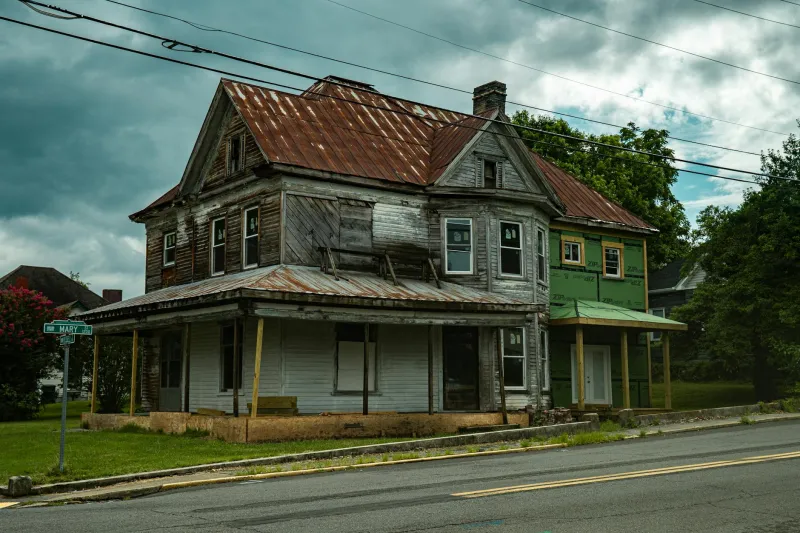
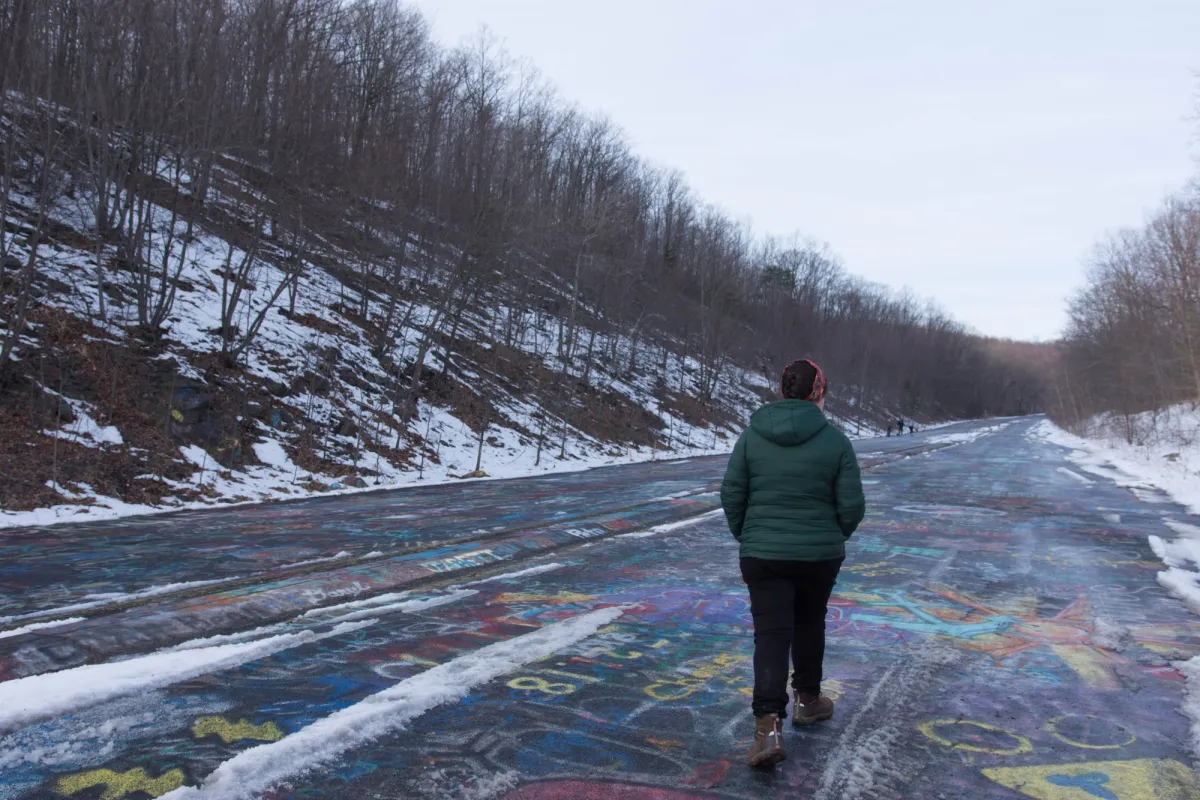 Photo: Centralia, Pennsylvania, via www.travelawaits.com
This time, the fire found its way into an exposed coal seam beneath the dump. Within weeks, an underground inferno was spreading through the abandoned mine tunnels that honeycombed the earth beneath Centralia's streets.
What happened next wasn't just a disaster—it was a bureaucratic time bomb that would give an entire community an official expiration date.
The Paperwork That Predicted Doom
As the underground fire spread through the 1960s and 70s, federal officials began crafting relocation plans for Centralia's 1,000 residents. Buried deep in congressional appropriations bills and federal agency reports were administrative deadlines that essentially scheduled the town's disappearance.
The most significant came in 1984, when Congress allocated $42 million to relocate Centralia residents and acquire their properties. Hidden in the legislation's fine print was a provision that would prove prophetic: if relocation wasn't complete by a certain date, the remaining properties would be condemned and the federal government would assume ownership.
Most residents never realized they were living on borrowed time according to a federal calendar.
Living in Legal Limbo
By the 1990s, Centralia had become a surreal landscape. Steam vented from cracks in the streets. The ground was hot to the touch in many areas. Carbon monoxide seeped into basements. Most residents had accepted buyouts and moved away, leaving behind empty lots where houses once stood.
But about a dozen families refused to leave. They argued the fire wasn't dangerous in their specific locations, that their homes were safe, and that they had a right to stay in the community where they'd lived their entire lives.
The federal government's response was to let bureaucratic deadlines do what forced evacuation couldn't: make Centralia legally disappear.
The Day America Deleted a Town
On October 29, 2002, the United States Postal Service officially discontinued Centralia's ZIP code—17927. Mail delivery stopped. The town was removed from postal databases. For all practical purposes, Centralia ceased to exist in the federal government's records.
The timing wasn't coincidental. It aligned with administrative deadlines set decades earlier in congressional legislation and federal agency plans. Officials had essentially scheduled Centralia's death in advance, then waited for the calendar to catch up.
But here's where the story becomes truly bizarre: people still lived there.
Residents Without an Address
After 2002, Centralia's remaining residents found themselves in an impossible situation. They lived in houses with street addresses that no longer officially existed. Their mail was rerouted to nearby Ashland. They paid property taxes to Columbia County, but the federal government claimed to own their land.
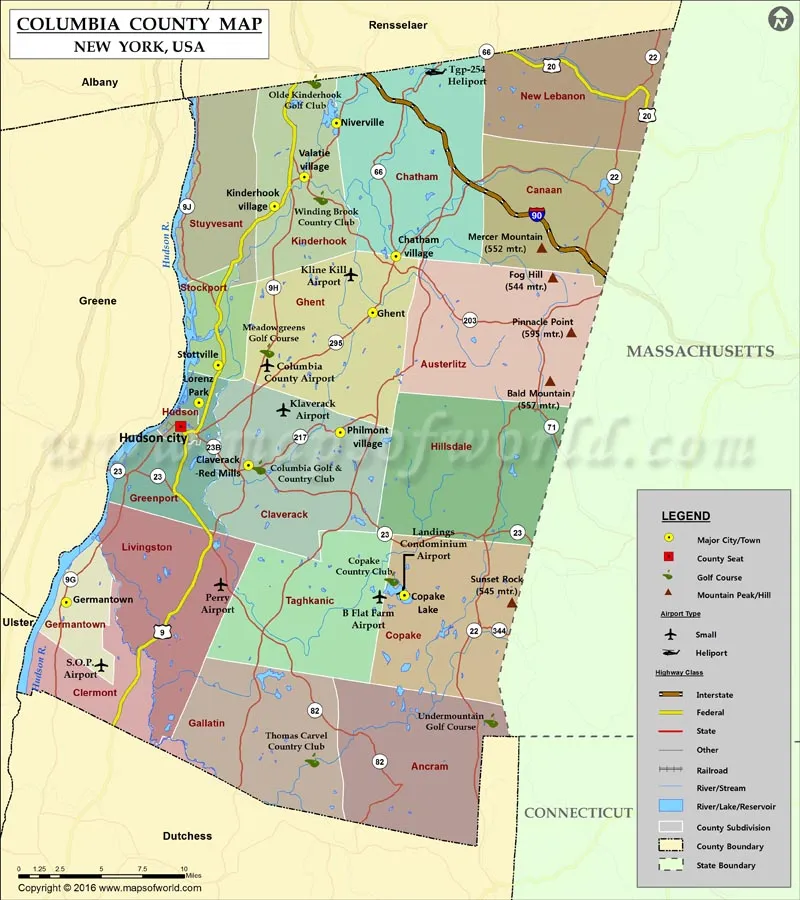 Photo: Columbia County, via images.mapsofworld.com
John Lokitis Jr., one of the holdouts, discovered his house existed in a legal gray area. He owned it according to county records but lived there illegally according to federal authorities. His property taxes were accepted, but his address wasn't recognized by government databases.
The situation created daily absurdities. Emergency services weren't sure how to respond to calls from non-existent addresses. Delivery companies couldn't find locations that didn't appear in their systems. Insurance companies questioned whether they could cover properties in a town that didn't officially exist.
The Underground Fire That Outlived the Town
Meanwhile, the fire that started everything continued burning. Engineers estimated it could burn for another 250 years, slowly consuming the coal seams beneath what used to be Centralia. The underground inferno had outlasted the community it destroyed.
By 2010, only five residents remained in Centralia. They lived in a handful of houses scattered across a landscape of empty lots and cracked pavement. Street signs still marked roads that led nowhere. Fire hydrants stood guard over vacant spaces where neighborhoods once thrived.
The federal government continued to claim ownership of the entire area, but made little effort to remove the remaining residents. It was as if both sides had accepted the stalemate: the government had successfully deleted the town from official records, while a few stubborn residents continued to exist in the spaces between bureaucratic categories.
When Paperwork Becomes Prophecy
Centralia's story reveals something unsettling about how communities disappear in modern America. The town wasn't destroyed by a single catastrophic event—it was gradually erased by administrative deadlines set years in advance.
Federal officials essentially wrote Centralia's obituary in the 1980s, then waited two decades for it to come true. The underground fire provided the justification, but bureaucratic schedules determined the timeline.
The most eerie aspect of Centralia's disappearance is how predictable it was. Government documents from the 1980s accurately forecasted when the town would lose its ZIP code, when property ownership would transfer to federal control, and when the last services would be discontinued.
It's as if a community's death was scheduled like any other government program—and the schedule was kept with bureaucratic precision.
The Town That Refuses to Stay Dead
Today, Centralia exists in a bizarre liminal state. It appears on some maps but not others. GPS systems sometimes recognize its streets, sometimes don't. A few residents still call it home, though their home officially doesn't exist.
The underground fire continues burning, a subterranean reminder of the day a routine cleanup became an administrative apocalypse. Steam still rises from cracks in the abandoned streets, creating an almost supernatural atmosphere in what was once an ordinary Pennsylvania mining town.
Centralia's legacy isn't just environmental—it's a demonstration of how bureaucratic timelines can become self-fulfilling prophecies. Sometimes the most effective way to destroy a community isn't with bulldozers or dynamite, but with carefully scheduled paperwork that predicts its own accuracy.
The town that accidentally set itself on fire ultimately discovered that federal deadlines burn longer than underground coal seams.