Democracy's Ultimate Self-Destruct: The Colorado Town That Voted Itself Into Oblivion
When Democracy Turns Suicidal
Democracy is supposed to be about the will of the people, but what happens when the people decide they don't want to be people anymore? At least, not officially. In 1939, the small Colorado town of Thurman faced exactly this paradox when its citizens gathered for what would become the most self-defeating election in American history.
The ballot had only one question: Should the town of Thurman dissolve itself? The answer was a resounding yes.
The Town That Couldn't Afford to Exist
Thurman wasn't exactly thriving. With barely 200 residents scattered across the windswept plains of eastern Colorado, the town struggled with the basic mathematics of municipal governance. The cost of maintaining a mayor, a town council, and the bare minimum of civic infrastructure far exceeded what the tiny tax base could support.
By the late 1930s, Thurman's annual budget looked like a cruel joke. The town collected roughly $150 in property taxes each year while facing expenses that routinely topped $400. Road maintenance, snow removal, and basic administrative costs were bleeding the municipality dry. The mayor wasn't even paid—he was essentially a volunteer managing a financial disaster.
But here's where things get weird: instead of simply letting the town fade away through neglect, Thurman's citizens decided to take the nuclear option. They would formally, legally, and democratically vote themselves out of existence.
The Mechanics of Municipal Suicide
Most people assume that towns just... exist. But municipal incorporation is actually a complex legal process, and it turns out that dissolution is equally complicated. Under Colorado law, a municipality could dissolve itself through a referendum, but the process required jumping through several bureaucratic hoops that would make a circus performer dizzy.
First, the town council had to formally propose dissolution. Then they needed to hold a public hearing, publish notices in newspapers, and finally conduct a special election. If more than half the voters approved dissolution, the town would surrender its charter to the state and cease to exist as a legal entity.
On a cold February afternoon in 1939, Thurman's voters trudged to the makeshift polling station and made history. The final tally was 47 votes for dissolution, 12 against. With that simple majority, Thurman committed civic suicide.
The Paperwork Apocalypse
But voting yourself out of existence, it turns out, creates more problems than it solves. The moment Thurman dissolved, its 200 residents found themselves living in a legal no-man's land. Their addresses technically didn't exist anymore. Mail delivery became a nightmare. Property deeds referenced a municipality that had vanished.
The state of Colorado suddenly found itself responsible for a patch of land that had no local government. County officials in nearby Yuma County scrambled to figure out who was supposed to maintain Thurman's roads, handle its water systems, and deal with law enforcement. The dissolved town had infrastructure but no entity legally responsible for it.
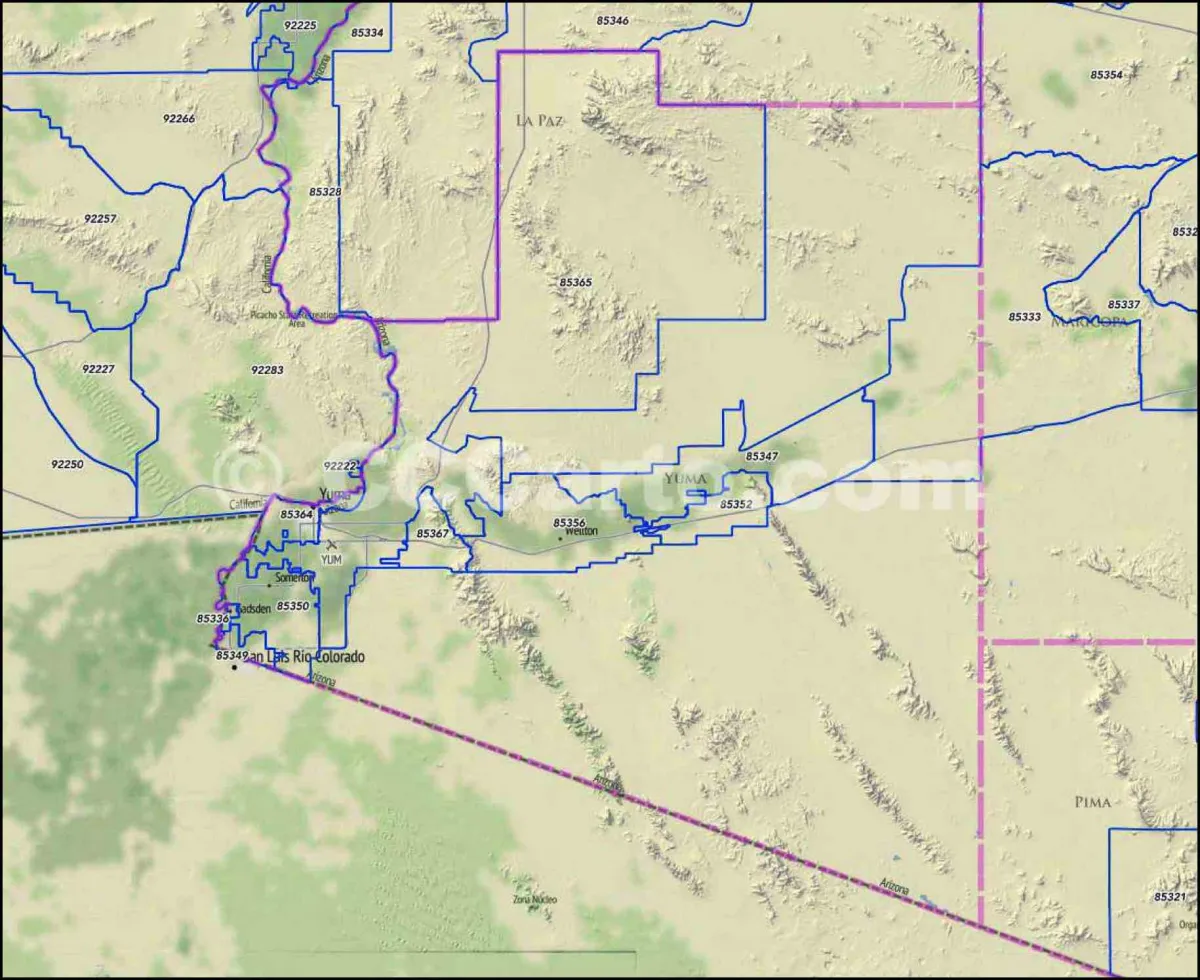 Photo: Yuma County, via www.cccarto.com
Even stranger, several residents discovered they couldn't sell their homes because potential buyers couldn't get mortgages for properties located in a town that didn't officially exist. Banks, it turns out, are remarkably reluctant to finance real estate in legal limbo.
The Ghosts of Governance
For months after dissolution, former Thurman residents lived in bureaucratic purgatory. They were still Americans, still Coloradans, but they weren't residents of anywhere specific. Census workers didn't know how to categorize them. Emergency services weren't sure who had jurisdiction.
The most absurd consequence involved taxation. Since Thurman no longer existed, its former residents couldn't pay municipal taxes—because there was no municipality to pay them to. But they also couldn't access municipal services, because those services had technically vanished along with the town.
Yuma County eventually absorbed the area, but the transition took nearly two years to complete. During that time, the former citizens of Thurman lived in what one newspaper called "democracy's strangest experiment"—a place where people had successfully voted away their own civic identity.
The Legacy of Democratic Self-Destruction
Thurman's story reveals something unsettling about the nature of democracy itself. We assume that democratic institutions exist to serve the people, but what happens when the people decide they'd rather not have institutions at all? Thurman proved that democracy contains the seeds of its own destruction—and that sometimes, those seeds actually sprout.
The case became a cautionary tale studied by political scientists and municipal lawyers. It demonstrated how the theoretical right to self-governance could become a practical disaster when applied too literally. Democracy, it seems, works best when voters want to participate in democracy.
Today, the area once known as Thurman is just another stretch of Colorado farmland. No historical marker commemorates the town that voted itself into oblivion. But somewhere in the state archives, buried among thousands of other municipal documents, sits the strangest referendum result in American history: a unanimous decision by democracy to commit suicide by ballot box.