The Imaginary Nation That Swallowed Real Lives: History's Most Audacious Real Estate Scam
The Imaginary Nation That Swallowed Real Lives: History's Most Audacious Real Estate Scam
There's a certain kind of lie that's so enormous, so thoroughly constructed, that people can't bring themselves to believe it's a lie at all. Gregor MacGregor understood this instinct better than almost anyone who ever lived. In the early 1820s, he didn't just tell a lie — he built an entire country around it, complete with currency, a guidebook, a land office, and a flag. The country was called Poyais. It did not exist. And yet, real human beings packed up their lives and sailed toward it.
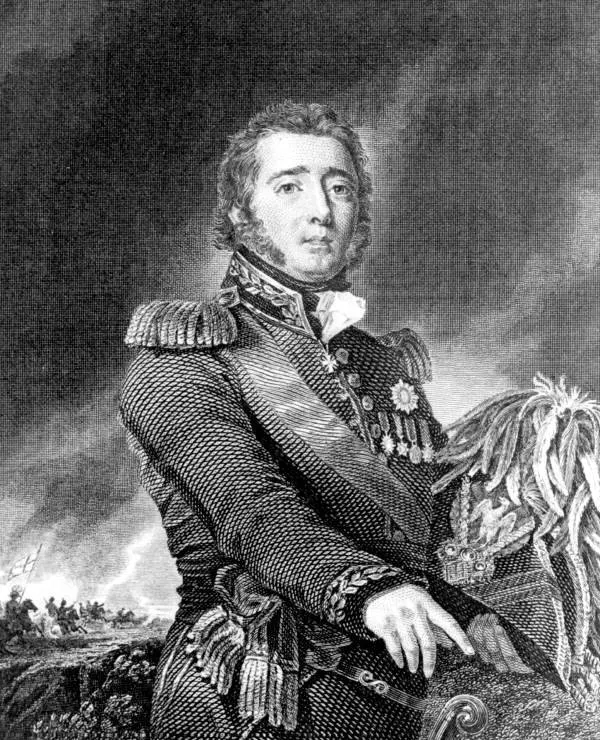 Photo: Gregor MacGregor, via allthatsinteresting.com
The Man Who Made a Nation
MacGregor was not some back-alley hustler. He was a decorated Scottish soldier, a veteran of the Napoleonic Wars, and a man who had genuinely fought alongside Simón Bolívar in the wars for South American independence. He had a real military title — Brigadier General — and the kind of commanding presence that made rooms go quiet when he entered. When he returned to London in 1820 and announced that he had been granted the title of Cazique, or prince, of a prosperous coastal territory in Central America called Poyais, people listened.
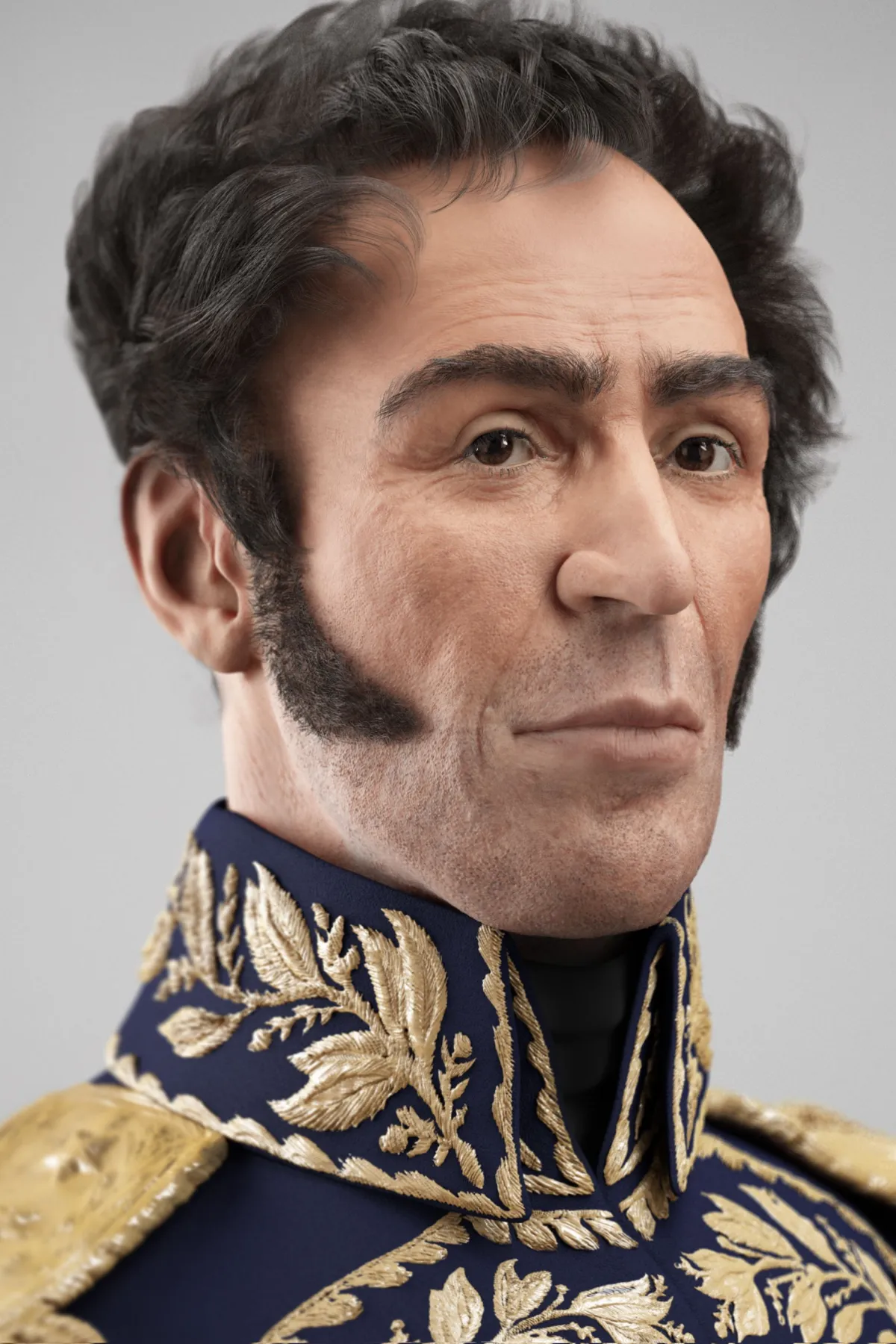 Photo: Simón Bolívar, via i.pinimg.com
And MacGregor didn't stop at a title. He constructed an entire fictional civilization. He commissioned a detailed guidebook describing Poyais's fertile farmland, its thriving capital city of St. Joseph, its cathedral, its bank, its opera house, and its welcoming local population. He printed Poyaisian dollars. He hired a land agent named Thomas Strangeways — a character so convincing that historians still debate whether Strangeways was a co-conspirator or simply another victim — to write a glowing account of the territory. He opened a land office on Downing Street in London, steps from the center of British political power, and began selling plots of this paradise to eager investors and settlers.
British banks, not just individual buyers, purchased Poyaisian government bonds. The total sum raised across Britain and later France ran into what would be millions of dollars today. MacGregor wasn't pitching a dream to desperate people. He was pitching it to educated, financially comfortable families who wanted a fresh start in a promising new world — and they believed every word.
The Ships Set Sail
In 1823, two ships carrying roughly 250 settlers departed for Poyais. These were not naive adventurers. Among them were tradespeople, doctors, a banker, and a group of Scottish Highlanders who had pooled their savings for land grants they held in their hands. They spent weeks at sea reading their guidebooks, planning their farms, imagining their new lives.
What they found when they arrived on the coast of present-day Honduras was a mosquito-infested jungle. There was no city. There was no cathedral. There was no bank. There were a few crumbling ruins from a failed British settlement decades earlier, and there was nothing else. The settlers tried to survive. They built shelters. They looked for the roads on their maps and found only dense vegetation. Disease — primarily malaria and yellow fever — moved through the group with devastating speed.
By the time rescue ships arrived in 1823 and 1824, fewer than 50 of the original settlers were still alive. The rest had died in the wilderness of a country that had never existed.
The Escape Artist
Here is where the story shifts from tragedy to something that almost defies comprehension. MacGregor, who had been living comfortably in London while his settlers were dying in the jungle, was arrested in France in 1825 after attempting to run the exact same scheme on French investors. He was charged with fraud.
He was acquitted.
French courts could not agree on jurisdiction or the precise nature of the crime, and MacGregor — charming, decorated, and apparently still persuasive — walked free. He returned to Britain, where the public mood had turned sharply against him, and eventually emigrated to Venezuela, a country where his wartime service to Bolívar was still remembered fondly. Venezuela granted him citizenship, reinstated his military rank, and gave him a pension. He died in Caracas in 1845, a respected figure, at the age of 58.
Why It Still Matters
Economists and historians have studied the Poyais scheme for two centuries, and it keeps resurfacing in discussions about financial bubbles, investor psychology, and the mechanics of fraud. What MacGregor understood — almost intuitively — was that the architecture of trust matters more than the underlying reality. He didn't just tell people Poyais was real. He created every document, institution, and social signal that real countries produce, and then let human desire fill in the rest.
The settlers who died in that jungle weren't foolish. They were doing exactly what sensible people do: consulting official-looking documents, speaking to credentialed representatives, and making rational decisions based on the information they had. The information simply didn't correspond to anything on earth.
It's the kind of story that makes you wonder how many other certainties in life are built on equally hollow foundations — and how confidently we'd sail toward them anyway.