Bonds, Lies, and Jungle: The Scottish Con Man Who Sold a Country That Never Existed

Photo: 14GTR, CC0, via Wikimedia Commons
There's a certain kind of audacity that history doesn't quite know what to do with. Not the audacity of a bank robber or a con artist who fakes a signature — but the audacity of a man who sits down, invents an entire country, and then sells it to some of the most sophisticated financial institutions in the world.
That man was Gregor MacGregor. And for nearly a decade in the early 1800s, his fictional nation of Poyais was one of the hottest investment opportunities in London.
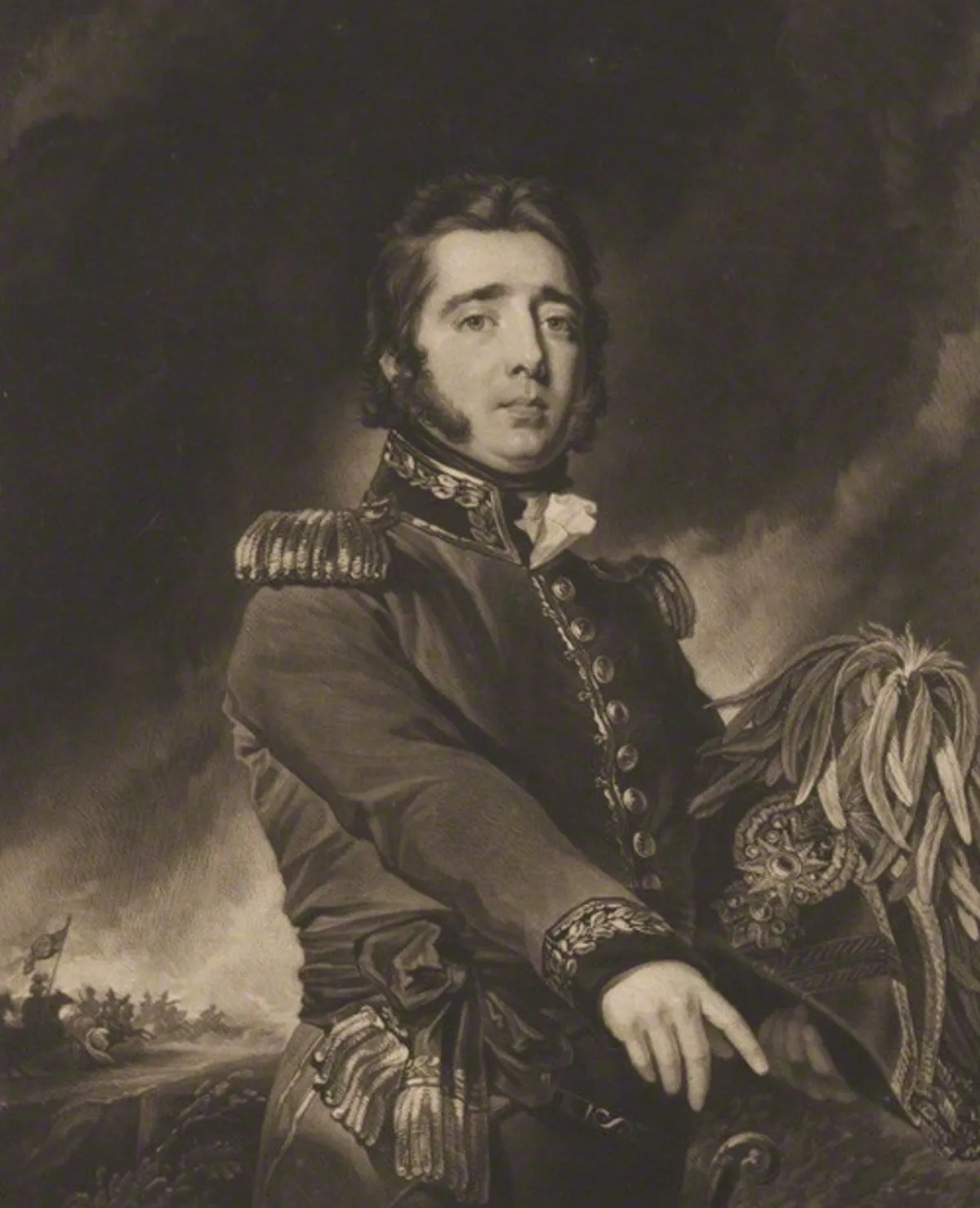 Photo: Gregor MacGregor, via cdn.britannica.com
A Hero with a Very Convenient Reputation
Before MacGregor became history's most brazen real estate fraudster, he actually had a legitimate résumé to work with. He'd fought alongside Simón Bolívar in South America's independence wars, earned genuine military honors, and cut a dashing figure in uniform. When he returned to Britain in 1820, he came trailing a reputation that made people want to believe whatever came out of his mouth next.
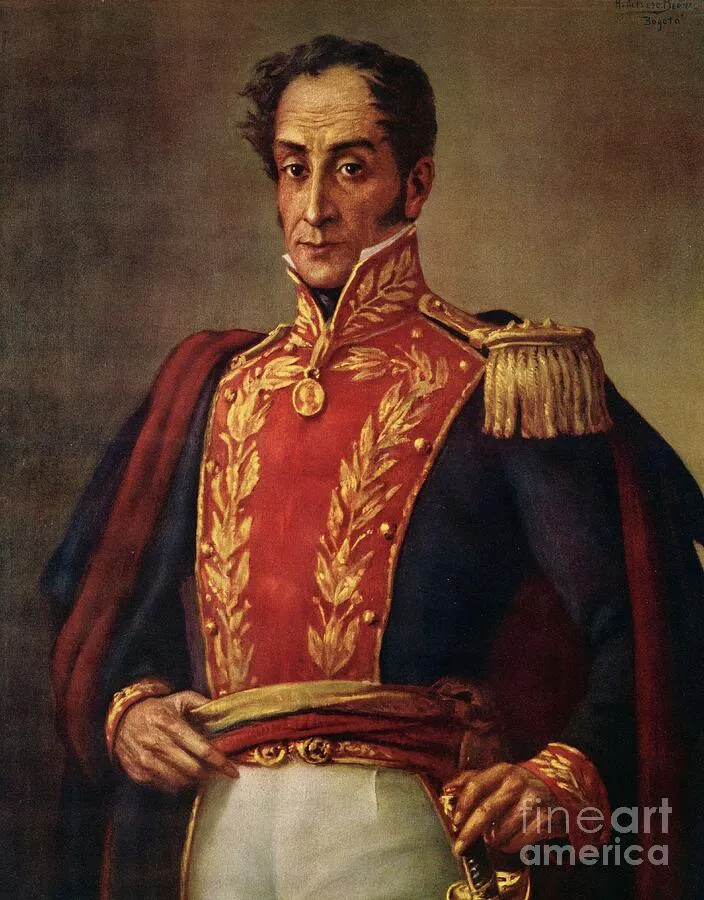 Photo: Simón Bolívar, via images.fineartamerica.com
What came out of his mouth next was Poyais.
MacGregor claimed he had been granted a vast territory on the coast of Central America — modern-day Honduras — by a local Indigenous chief. He called it Poyais, and he described it in terms that would make a travel brochure blush. Fertile farmland. A thriving capital city called St. Joseph. A cathedral. A bank. A functioning government. A population of welcoming settlers already living prosperously on the land.
None of it existed. The coastline was real. Everything else was a story MacGregor had constructed with the patience and precision of a novelist.
London Buys In
What makes the Poyais scheme so genuinely eerie isn't just that MacGregor was persuasive — it's that the entire infrastructure of early 19th-century finance helped him pull it off.
In the 1820s, Latin America was the hot new investment frontier. Britain had just come through the Napoleonic Wars with an appetite for growth, and newly independent South and Central American nations were issuing bonds to eager London investors. The market was hungry, loosely regulated, and not especially interested in doing the kind of due diligence we'd consider basic today.
MacGregor walked into that environment with a detailed prospectus, a hand-drawn map of Poyais's capital city, a guidebook he'd commissioned describing the nation's culture and geography, and — most remarkably — a printed currency. The Poyaisian dollar. Real paper. Real ink. Accepted, for a time, by actual exchange houses in London.
He raised the equivalent of roughly $3.6 million in today's money through bond sales. Wealthy investors, middle-class families, tradespeople looking for a fresh start — they all handed over real cash for a share of a country that was, at that moment, a stretch of mosquito-infested jungle with no roads, no buildings, and no government.
The Ships That Sailed Toward Nothing
Here's where the story stops being merely impressive and starts being genuinely haunting.
MacGregor didn't just sell bonds. He sold emigration packages. Around 250 settlers — carpenters, doctors, merchants, a group of hopeful Scottish families — boarded two ships in 1822 and 1823 and sailed for their new home in Poyais. They brought tools. They brought their savings. Some brought their children.
When they arrived at the coast of what is now Honduras, they found jungle. A handful of crumbling ruins from a previous failed settlement. No cathedral. No bank. No St. Joseph. Just heat, insects, disease, and the slow, dawning horror of understanding what had happened to them.
Of the roughly 250 settlers who made the voyage, more than half died — from malaria, fever, and starvation — before rescue ships eventually arrived to bring the survivors back to Britain. It was one of the most lethal cons in financial history, and it had killed real people.
MacGregor's Inexplicable Escape
You'd expect a story like this to end with a hanging. It didn't.
MacGregor was arrested in France in 1825 when he attempted to run the same scheme on French investors — and was actually acquitted, partly because French courts couldn't quite believe anyone would fabricate an entire country. He returned to Britain, where public outrage was considerable but prosecution was complicated. He'd been careful with his language. Poyais, he could argue, was simply a venture that hadn't worked out.
He eventually died in Venezuela in 1845, having been welcomed back as a hero of their independence movement. He received a military pension. He was buried with honors.
What Poyais Actually Revealed
The Poyais fraud didn't just expose MacGregor's genius for deception — it exposed something more structural. Early 19th-century financial markets ran almost entirely on reputation, personal networks, and printed documents that nobody seriously verified. There were no international registries of sovereign nations, no standardized bond disclosures, no regulatory bodies asking hard questions about whether the country issuing debt actually had a functioning postal service.
MacGregor understood, with remarkable clarity, that the system would do his work for him. Once London's financial press mentioned Poyais approvingly, other institutions followed. Once a guidebook existed, people assumed someone had been there. Once currency was printed, it felt real.
The Poyais scheme is studied in economics and business schools today as an early case study in information asymmetry — the dangerous gap between what a seller knows and what a buyer can realistically verify. It's a gap that, in various forms, hasn't entirely closed.
The country never existed. The bonds were worthless. The settlers died in a jungle. And the man who made it all happen received a military funeral.
Some stories are strange. This one is something else entirely.