The River Kept a Schedule Better Than the Railroad: Inside America's Most Punctual Disaster
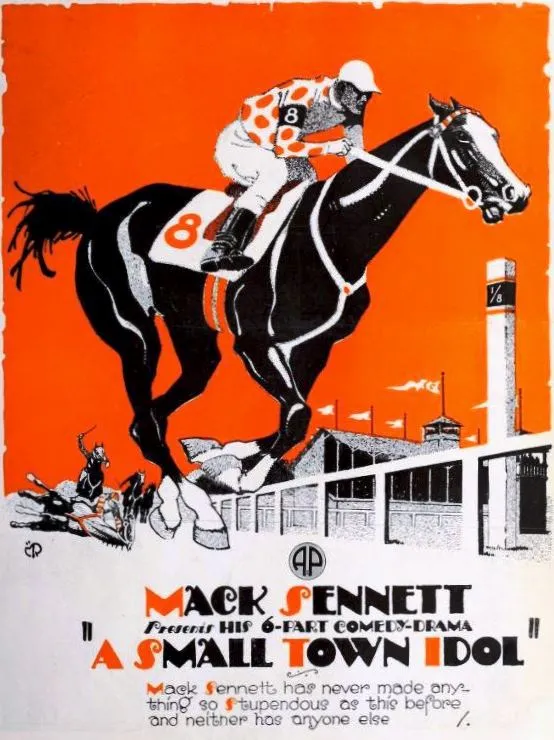
Photo: Mack Sennett Comedies / Associated First National, Public domain, via Wikimedia Commons
Every town has a season it dreads. Hurricane season. Tornado season. The long gray stretch of February when everyone in the Midwest questions their life choices.
But there was a town in the American heartland that had something different: flood season. Not a fear of it. A date for it. Printed on posters. Announced in the local paper. Celebrated with a fair.
The Water That Showed Up On Time
It started with geography doing something strange. A narrow stretch of river valley upstream acted like a funnel, collecting snowmelt from a huge watershed and squeezing it through a bottleneck of rock. The result was an annual spring rise so reliable that old-timers could set their planting calendars by it — usually within a week or two of the same date, year after year.
Hydrologists would eventually explain it: consistent snowpack, a predictable thaw cycle, and bedrock that throttled the water like a faucet. But the townspeople didn't need an explanation. They needed a date, and the river gave them one.
Farmers figured out the trick early. Fields closest to the water flooded every spring — which sounds like a curse until you learn what floodwater leaves behind. Silt. Fresh, mineral-rich sediment, deposited free of charge, year after year. Those "useless" bottomland fields became the most fertile soil in the county. Farmers who timed their planting to the recession of the water routinely out-produced their neighbors on higher ground.
A Festival Built on a Near-Disaster
By the early twentieth century, the flood had become the town's identity. There was a festival — because of course there was — complete with a parade, a "first drop" betting pool where residents wagered on the exact day and hour the river would top its banks, and a carnival queen crowned on a stage built, with a straight face, in the flood zone.
Tourists came. Newspapers from the state capital ran photos of Main Street ankle-deep in water while business owners in rubber boots cheerfully waved. The town had done something genuinely rare: it had converted a natural hazard into an economy. Insurance rates were managed, buildings were raised on foundations, and everyone simply accepted that for a few weeks each spring, the town belonged to the river.
It's easy to laugh at this. It's harder to argue with it. The town went decades without a flood death, because a predictable flood is barely a flood at all — it's a tide. People moved their cars, moved their goods, and moved their kids to Grandma's house on higher ground. Then they came back to fields that would out-produce anything for miles.
The Year the Water Didn't Come
And then the flood stopped arriving on time.
A drought cycle hit the watershed, and the spring rise dwindled to a wet trickle — then, in some years, to nothing. The betting pool lost its charm when the answer was "no day." The bottomland fields, starved of their annual delivery of silt, slowly declined. The festival limped along, then folded.
Here's the eerie part: the town had never really learned to farm without the flood. Generations of knowledge — when to plant, what to plant, where — were built entirely around a rhythm that vanished within a single decade. Upstream dams and diversion projects, plus shifting precipitation patterns, had changed the river's behavior faster than the community could adapt.
Some residents treated it as a blessing — no more wading to the hardware store. Others described it the way you'd describe a neighbor moving away. The river had been the most reliable thing in town for a century. Banks changed hands. Businesses came and went. The flood came every year.
Until it didn't.
When Predictable Becomes a Trap
There's a lesson buried in the silt here, and it's a little uncomfortable. The town's genius was reading a pattern and building a life around it. The town's tragedy was that a pattern, however dependable, is not a promise.
We tend to think of disasters as sudden things — the earthquake, the fire, the storm. But there's a quieter kind of trouble that comes from depending on something regular for so long that you forget it was ever optional. The flood was real. The economy was real. The festival was real. And the shock when the river broke its own appointment was real too.
The town survived. The fields still grow crops. But ask around, and you'll find older residents who still check the river gauge every March — not out of fear, but out of habit. Waiting for an old friend who stopped writing back.