Alive at His Own Funeral: The Florida Man Who Outlived His Own Death Certificate
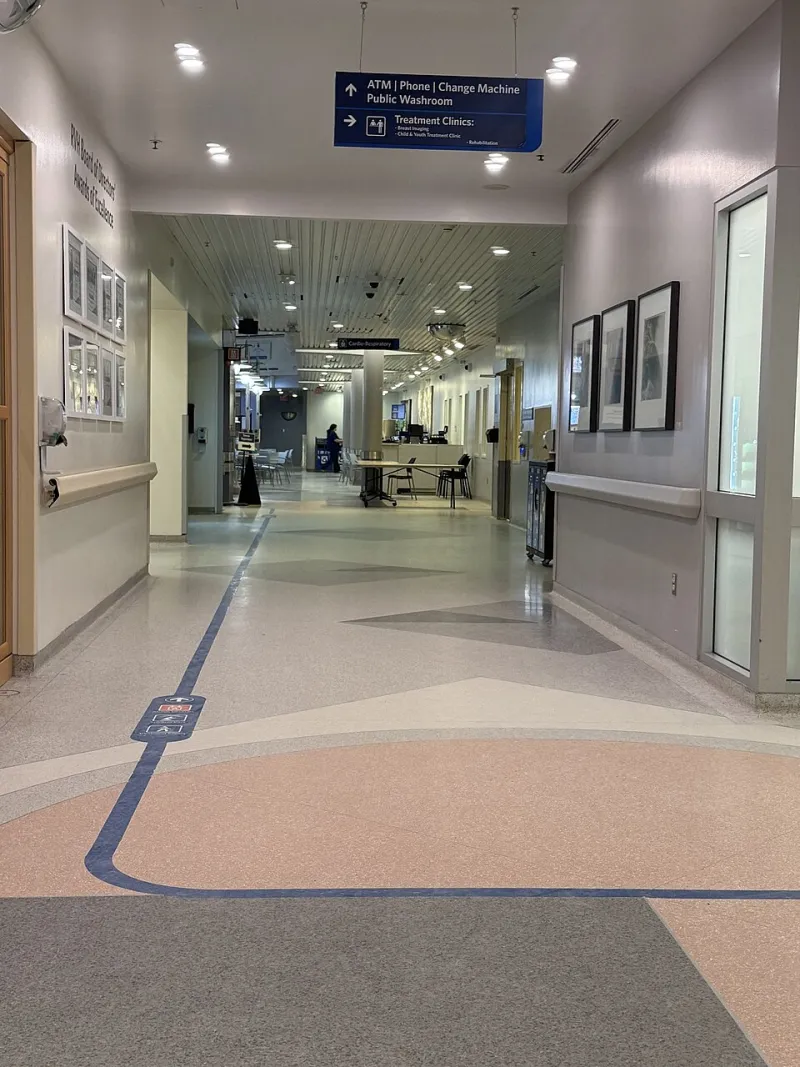
Photo: antefixus21, CC0, via Wikimedia Commons
Most of us have a passing, morbid curiosity about what our own funeral might look like. Who would show up. What they would say. Whether the flowers would be right. What almost no one has ever had to reckon with is the experience of learning — after the fact, while very much alive — that the funeral already happened, the body was already buried, and the people who loved you spent days in genuine grief over someone else's corpse.
This is not a hypothetical. It happened in Florida in 2003, and the sequence of events that made it possible is so spectacularly wrong that it almost loops back around to being fascinating.
A Hospital, a Crash, and a Terrible Mistake
The case centered on two men — both patients at Martin Memorial Medical Center in Stuart, Florida — who arrived at the hospital around the same time following separate emergencies. Both were in serious condition. Both were, in the chaos of intake, difficult to identify with certainty.
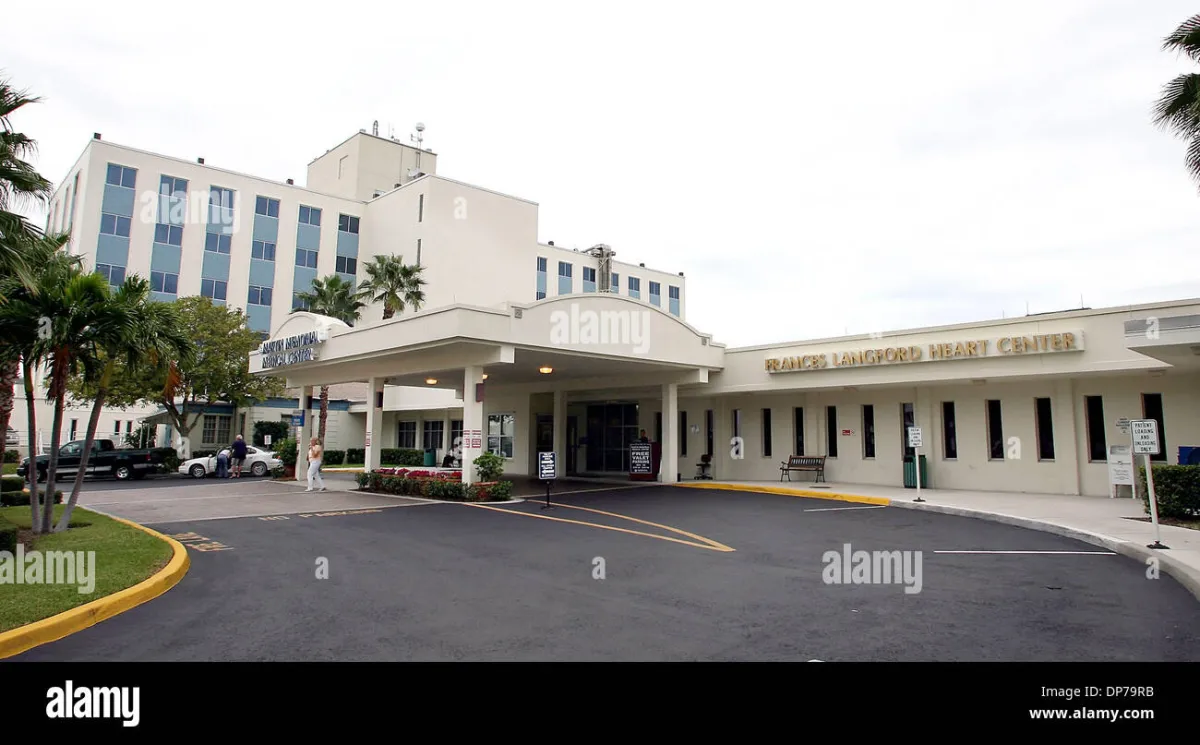 Photo: Martin Memorial Medical Center, via c8.alamy.com
When one of the men died, hospital staff — working from incomplete information, physical descriptions, and the kind of overwhelmed-system guesswork that no one likes to admit happens in emergency medicine — identified the body incorrectly. The wrong family was notified. The wrong family came to the hospital, looked at the body, and, devastated and in shock, confirmed the identification. Grief does strange things to perception. A person in acute mourning is not in the best position to scrutinize details. The family believed what they were told, because why wouldn't they?
The man they identified was prepared for burial. A death certificate was filed. A funeral was arranged and held. People gathered, wept, and said goodbye.
The Other Room
Meanwhile, the man whose funeral was taking place was in another part of the same hospital, unconscious and unidentified, slowly recovering from his injuries. He had no ID on him when he was admitted. The hospital, having already matched the other patient to a name and a family, had no particular reason to push hard on identifying this second man quickly.
When he finally regained consciousness and was able to communicate, the full horror of what had happened began to unspool. Staff realized they had two separate identification threads that had been catastrophically crossed. The man who had been buried was identified. The man who had been mourned was alive and asking what day it was.
Somebody had to tell him.
The Surreal Aftermath
Imagine being handed that information. Your family buried you. There was a service. People stood over a grave with your name on it. Your belongings may have already been distributed. Your accounts may have been flagged. Somewhere, a death certificate with your name exists as an official government document.
The legal and bureaucratic untangling that followed was substantial. Death certificates, once filed, don't simply evaporate. Financial institutions, insurance companies, and government agencies had all been set in motion by paperwork that declared this man legally dead. Reversing that machinery took time, documentation, and in some cases, litigation.
The family of the man who was actually buried faced a different kind of devastation. They had received incorrect notification initially — meaning they may have spent those same days not knowing their loved one was gone — and then had to process both the real loss and the knowledge that the burial had been conducted under someone else's name, with someone else's family present.
Martin Memorial faced significant legal scrutiny. Lawsuits followed, as they inevitably do when a hospital system produces a death certificate for a living person and buries a stranger in a named grave. The case became a reference point in discussions about emergency intake procedures, patient identification protocols, and the catastrophic downstream consequences of a single misidentification in a high-pressure environment.
How Does This Actually Happen?
It's tempting to treat this as a one-in-a-billion anomaly, but patient misidentification in hospitals is, uncomfortably, a documented and studied problem. The Joint Commission — the organization that accredits American hospitals — lists patient identification errors among the most persistent safety concerns in American healthcare. In emergency situations, when patients arrive unconscious, without ID, and in critical condition, the margin for error widens dramatically.
 Photo: The Joint Commission, via npr.brightspotcdn.com
What made the Florida case uniquely catastrophic was the convergence of multiple failures: two unidentified patients arriving simultaneously, a family confirmation that went unchallenged, and a bureaucratic system that, once set in motion, had no natural checkpoint to catch the error before the funeral took place.
The Part That Stays With You
The legal outcomes, the procedural reforms, the hospital's liability — all of that is real and important. But what lingers about this story is something harder to categorize. Somewhere in Florida, there is a man who, for a brief window of time, existed in a state that has no good name. He was alive. He was also, officially, buried. His family had grieved him and said goodbye.
Reality eventually corrected itself. The paperwork caught up. He went home.
But there's a version of those first few hours — waking up in a hospital bed, being told what happened — that must have felt less like relief and more like stepping through a door in a dream and finding yourself somewhere that shouldn't exist.