Tank You Very Much: The Legal Loophole That Briefly Let Americans Buy Military Armor, No Questions Asked
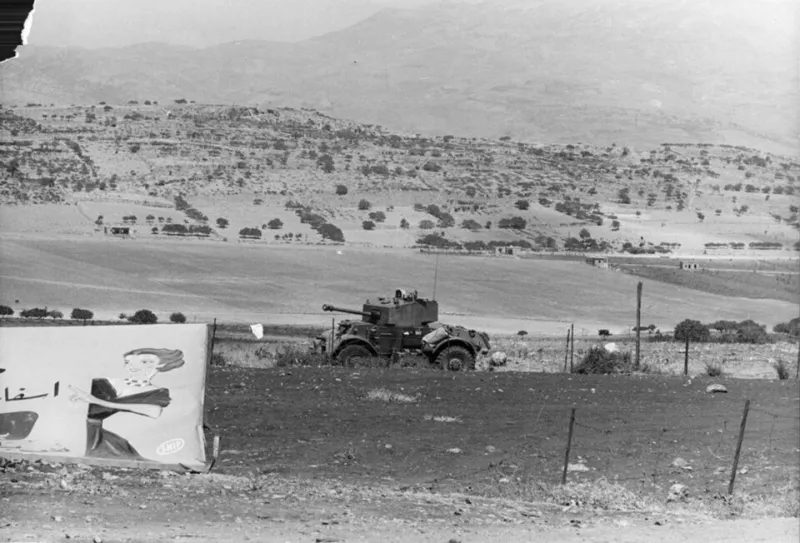
Photo: Unknown photographer, Public domain, via Wikimedia Commons
American gun law is famously complicated. There are federal statutes, state regulations, local ordinances, and a decades-long body of case law that makes the whole thing feel less like a legal framework and more like a puzzle designed by someone who wanted future lawyers to stay employed indefinitely. Given all that complexity, it's almost poetic that the system once produced a loophole so specific, so bizarre, and so thoroughly unintentional that it briefly made it easier to legally own a battle tank than to purchase certain semi-automatic rifles.
This is a true story. It involves bureaucratic language, a 1986 legislative session, and at least a few Americans who looked at the situation, blinked slowly, and then bought a tank.
The Law That Started It All
The National Firearms Act of 1934 was Washington's first serious attempt to regulate the kinds of weapons that were making the gangster era particularly lethal. Machine guns, silencers, short-barreled rifles — the NFA put these into a special regulatory category that required registration, a $200 tax stamp (a significant sum in 1934), and federal approval before transfer.
 Photo: National Firearms Act of 1934, via nationalfirearmsact.com
The law was written with a specific threat in mind: the Tommy gun-toting criminal of Depression-era America. What it was not written with in mind was the M4 Sherman tank, the British Centurion, or any of the surplus military hardware that would eventually start flowing out of Cold War-era stockpiles and into the hands of collectors, museums, and the occasional enthusiastic civilian.
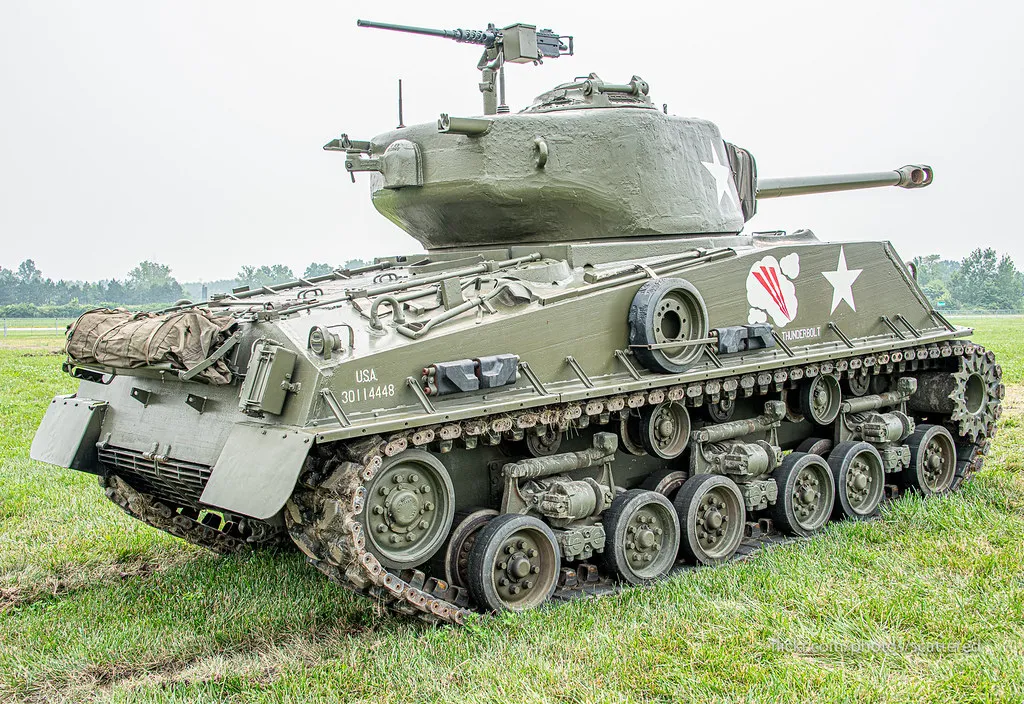 Photo: M4 Sherman tank, via live.staticflickr.com
Here's the critical detail: the NFA regulated firearms. Tanks, technically, are not firearms in the way the law defines the term. A tank is a vehicle. The gun mounted inside it — that's a different conversation. But the vehicle itself, the several-ton armored hull that most people picture when they think of a tank? The NFA didn't have much to say about it.
The 1986 Problem
The Firearm Owners Protection Act of 1986 was designed, among other things, to freeze the civilian registry of machine guns. After May 19, 1986, no new machine guns could be added to the civilian registry — meaning that if a weapon wasn't already registered before that date, civilians couldn't legally own it regardless of state law.
This created an interesting wrinkle for decommissioned military tanks with functional main guns. The guns themselves were subject to NFA rules and the 1986 freeze. But the tanks as vehicles? The armor, the treads, the hulking mechanical body? That fell into a regulatory gray zone that neither the 1934 law nor the 1986 amendment had cleanly addressed.
Surplus military vehicles had been sold to civilians for decades — jeeps, half-tracks, even armored personnel carriers. The market existed. Dealers existed. And once a few legally sharp collectors started examining the question of what exactly the law prohibited and what it simply hadn't gotten around to mentioning, some interesting conclusions started to emerge.
People Who Actually Did This
A small but real community of collectors began acquiring decommissioned tanks — primarily surplus from NATO allies and Cold War stockpiles — through legitimate channels. British Ferret scout cars, American M41 Walker Bulldogs, and various armored vehicles made their way onto private property in states where no specific state law prohibited it.
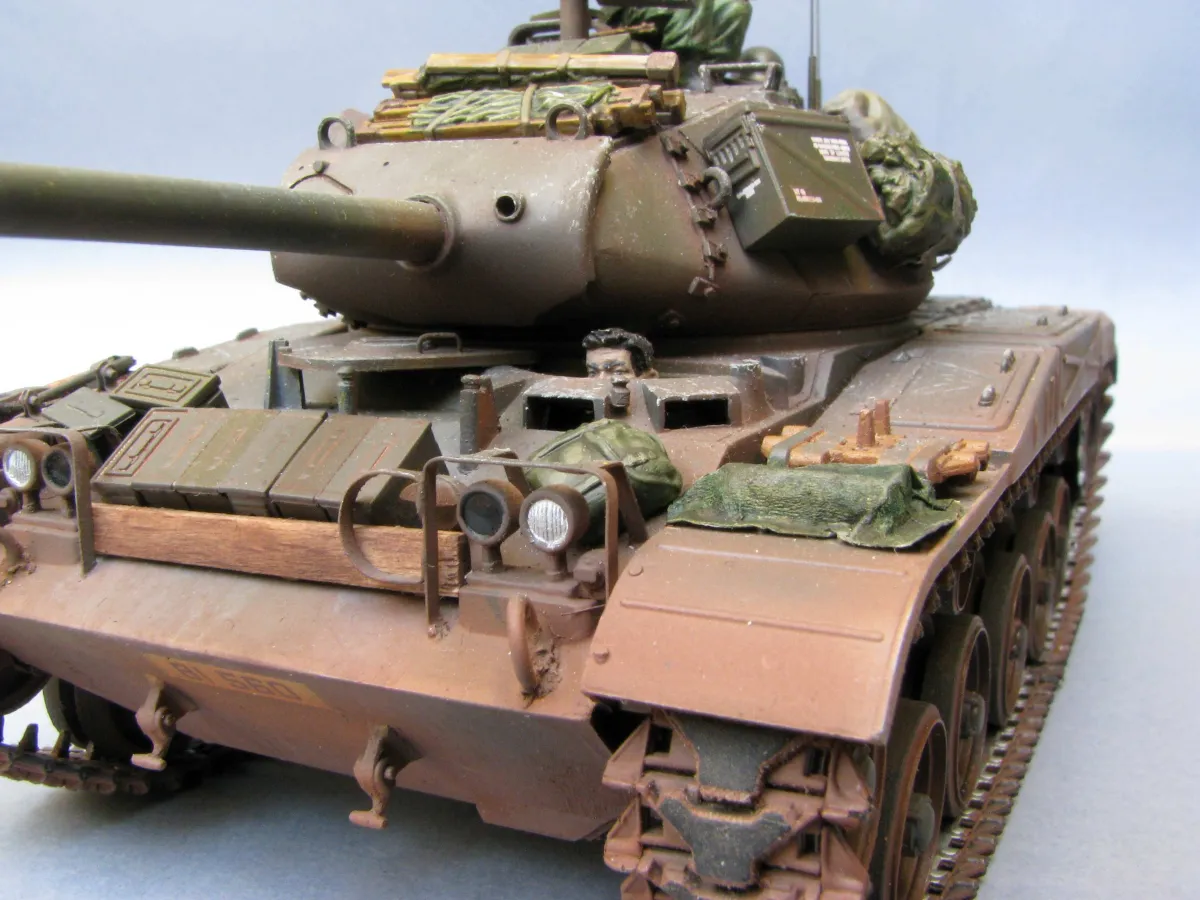 Photo: M41 Walker Bulldog, via www.vietnam.net.pl
The key to legal ownership, in most cases, was disabling or removing the main gun in a way that satisfied federal requirements, while retaining the vehicle itself. In some configurations, even this step had interpretive flexibility depending on the weapon's registration status and manufacture date.
Some of these collectors were military history enthusiasts. Some were just wealthy and had decided that their rural property needed a different kind of lawn ornament. A few actually drove their acquisitions on public roads, which is legal in many states for registered historical vehicles, and which produced the kind of traffic encounters that tend to go viral before viral was a concept people had words for.
Washington Notices
Federal regulators, once the scope of the ambiguity became apparent, moved to close the interpretive gaps through a combination of ATF guidance letters, regulatory clarification, and in some cases, Congressional attention. The process was not fast, and it was not elegant. Regulatory agencies clarifying the meaning of laws that were written before the things being regulated even existed is inherently messy work.
State legislatures also began addressing the question from their end, with several states passing specific language around armored military vehicle ownership that the federal framework had never needed to provide.
The window, such as it was, closed — though the collector market for decommissioned military vehicles never disappeared entirely. Properly demilitarized tanks remain legal to own in many states today, and the community of people who do so is small but enthusiastic and entirely above-board.
The Takeaway
What makes this story so quintessentially strange isn't that people owned tanks. It's that the legal mechanism allowing it wasn't a rebellion against the system — it was the system, operating exactly as written, producing an outcome nobody intended.
The NFA's authors were thinking about gangsters with Tommy guns. The 1986 amendment's authors were thinking about machine gun proliferation. Neither group was thinking about a guy in rural Texas who would one day read the fine print, make a few phone calls, and take delivery of a fully operational armored vehicle because the paperwork technically checked out.
That's not a loophole. That's a plot twist. And it happened in real life, in America, because sometimes the law is a document written by humans — and humans, it turns out, can't think of everything.