When Copyright Law Almost Killed Democracy: The Court Reporter Who Claimed to Own America's Legal System
The Day Democracy Almost Became Private Property
Imagine walking into a law library and being told you couldn't read the Supreme Court's decisions without paying a licensing fee to some guy in Philadelphia. It sounds absurd, but in 1834, America came dangerously close to exactly that reality.
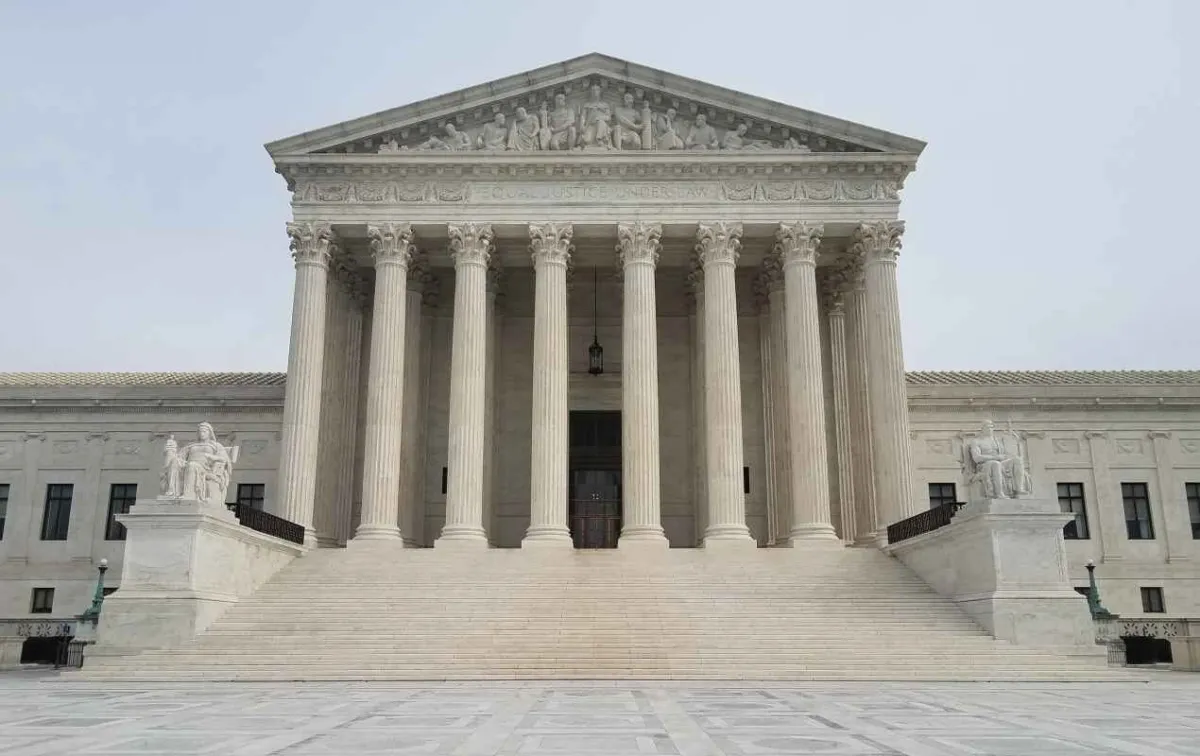 Photo: Supreme Court, via www.sott.net
Henry Wheaton wasn't trying to destroy democracy when he filed his lawsuit. He was just a court reporter who thought he deserved credit—and payment—for the hard work of transcribing, organizing, and publishing the Supreme Court's official opinions. What he accidentally created was the most dangerous threat to public access to justice in American history.
The Man Who Wrote Down History
Wheaton had served as the Supreme Court's official reporter from 1816 to 1827, a job that required him to attend every session, take detailed notes, and then publish bound volumes of the Court's decisions. These weren't just transcripts—Wheaton added headnotes, summaries, and legal analysis that made the dense judicial language accessible to lawyers and citizens.
The problem started when Wheaton left his position and Richard Peters took over as the new reporter. Peters decided to republish some of Wheaton's earlier volumes in a condensed format, cutting out what he considered unnecessary material and selling the books at a lower price.
Wheaton was furious. Those weren't just government documents, he argued—they were his intellectual property. He had crafted those headnotes, organized those opinions, and added his own legal insights. Peters was essentially pirating his work and undercutting his sales.
When the Government Sued Itself
The case that followed, Wheaton v. Peters, put the Supreme Court in the bizarre position of deciding whether its own decisions could be privately owned. Wheaton claimed copyright over everything: the text of the opinions, his headnotes, even the way he had arranged and formatted the material.
If Wheaton won, the implications were staggering. Every law library, every legal newspaper, every lawyer who quoted a Supreme Court decision without permission would be guilty of copyright infringement. The foundation of American jurisprudence—that the law belongs to the people—would crumble overnight.
Wheaton's lawyers made a surprisingly strong case. Under copyright law, they argued, any original compilation deserved protection. Wheaton hadn't just copied the justices' words; he had created something new by organizing, summarizing, and contextualizing their decisions. That creative work belonged to him, not the public.
The Constitutional Crisis Nobody Saw Coming
As the case wound through the courts, legal scholars began to grasp the terrifying possibilities. If judicial opinions could be copyrighted, what about congressional debates? Presidential speeches? Administrative regulations? The entire apparatus of American government could theoretically be locked away behind paywalls.
Newspapers couldn't report on Supreme Court decisions without risking lawsuits. Law schools couldn't teach constitutional law without paying licensing fees. Citizens couldn't access the very laws that governed their lives without enriching private publishers.
The case exposed a fundamental gap in American legal thinking. The Constitution guaranteed that laws must be public, but nobody had considered whether the specific presentation of those laws could be private property.
The Verdict That Saved Free Speech
In 1834, the Supreme Court delivered its decision in Wheaton v. Peters, and democracy held its breath. Chief Justice John Marshall, writing for the majority, drew a careful but crucial distinction.
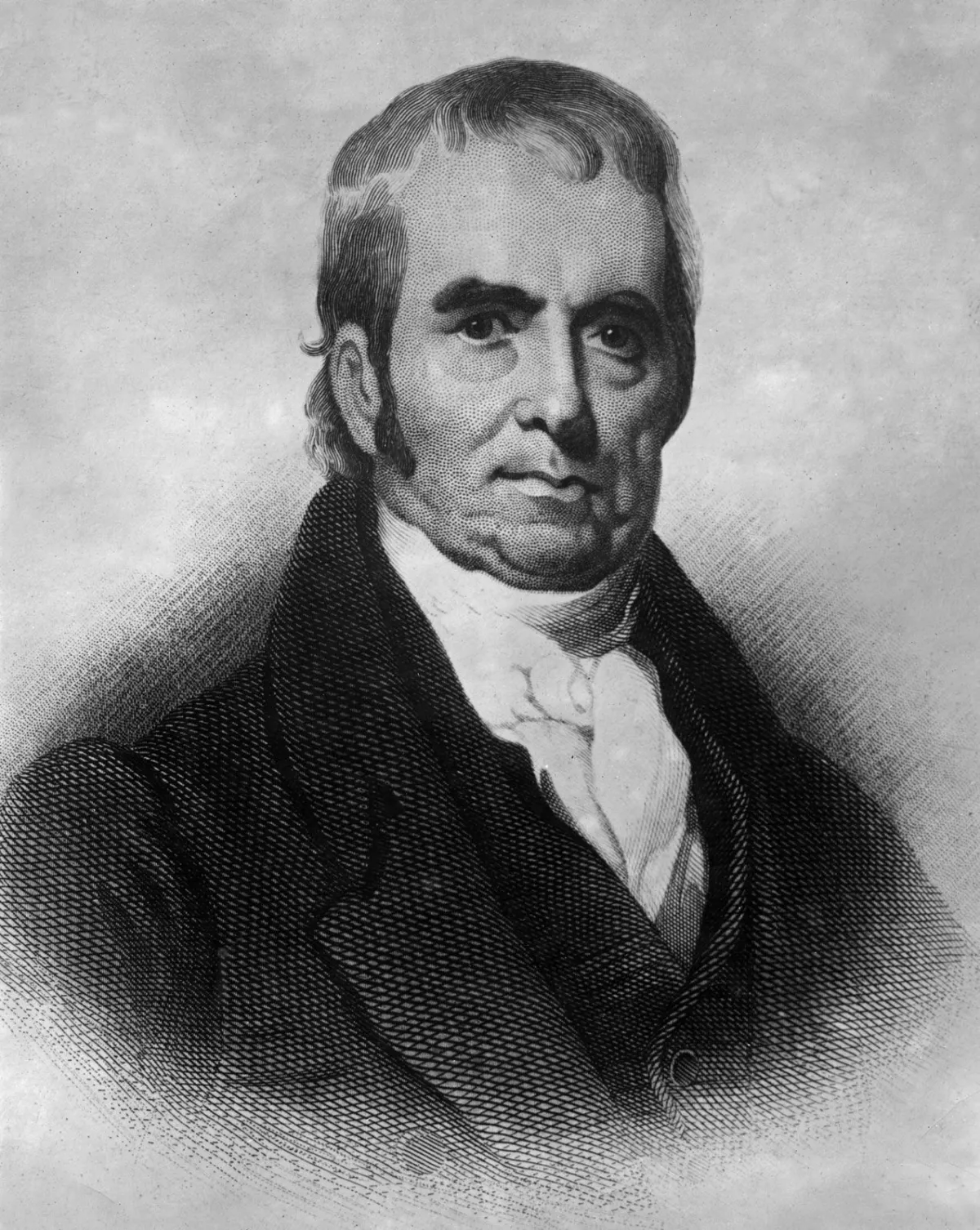 Photo: Chief Justice John Marshall, via cdn.britannica.com
Wheaton could own the copyright to his headnotes, summaries, and editorial additions—the creative work he had genuinely authored. But the text of the Supreme Court opinions themselves belonged to the American people. No individual could claim ownership over the actual words of justice.
The decision established a principle that remains fundamental to American law: judicial opinions are public domain from the moment they're issued. Government documents belong to the citizens who fund the government, not to the people who happen to write them down.
The Legacy of a Legal Nightmare
Wheaton's defeat didn't end the broader questions his case raised. Even today, legal publishers like Westlaw and LexisNexis claim copyright over their editorial enhancements to public domain legal texts—their headnotes, case summaries, and citation systems.
But the core principle established in Wheaton v. Peters has protected American democracy for nearly two centuries. Court decisions, statutes, and regulations remain freely accessible to anyone who wants to read them. The law belongs to the people, not to whoever happens to have the best printing press.
Democracy's Close Call
Henry Wheaton probably never intended to threaten American democracy. He just wanted to get paid for his work, and he had a reasonable argument that his editorial contributions deserved protection. But his case revealed how quickly the machinery of freedom could be hijacked by the machinery of commerce.
The fact that America came so close to privatizing its own legal system seems almost impossible today. Yet Wheaton v. Peters remains a reminder that democracy's most basic assumptions—like the idea that citizens should be able to read their own laws—sometimes need to be fought for in court.
In the end, Wheaton's failed lawsuit did more to protect free access to justice than any victory could have achieved. By losing his case, he won something far more valuable: the guarantee that American law would always belong to Americans.