The Failed Lawyer Who Crowned Himself Central America's Napoleon

The Most Unlikely Conqueror in History
Imagine if a failed blogger from Nashville decided to invade Mexico tomorrow, somehow succeeded, and declared himself emperor. It sounds like the plot of a satirical movie, but in 1855, that's essentially what happened when William Walker—a barely-five-foot-tall lawyer turned journalist—conquered Nicaragua and proclaimed himself its president.
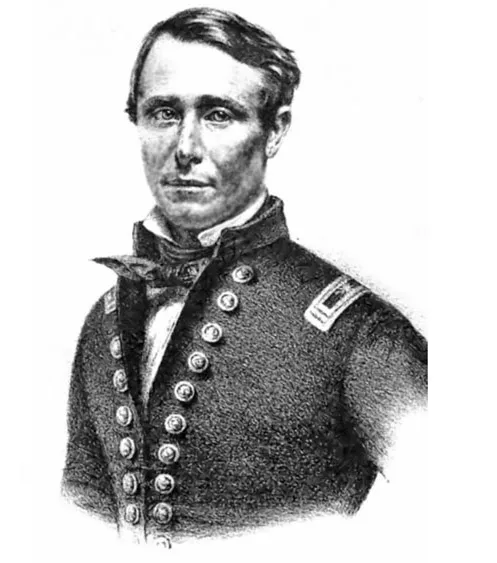 Photo: William Walker, via 3.bp.blogspot.com
The story gets more unbelievable from there.
From Courtroom Flop to International Warlord
Walker's early life read like a résumé of mediocrity. Born in Nashville in 1824, he earned a medical degree at 19 but never practiced. He tried law but flopped as an attorney. He attempted journalism in New Orleans and San Francisco, where his inflammatory editorials landed him in multiple duels—somehow surviving each one despite his diminutive stature.
By 1853, Walker was a broke, bitter 29-year-old with delusions of grandeur. Most people in his situation might have considered a career change. Walker decided to invade Mexico.
His first attempt at conquest targeted Baja California with 45 men and a handful of rifles. The Mexican government quickly expelled his "army," but Walker had tasted something intoxicating: the possibility of creating his own nation.
The Nicaraguan Gambit That Actually Worked
Two years later, opportunity knocked in the form of Nicaraguan civil war. Liberal forces offered Walker a contract to help them defeat their Conservative enemies. Walker saw something bigger: a chance to create an American empire in Central America.
In May 1855, Walker landed in Nicaragua with just 58 men—dubbed "The Immortals" by newspapers back home. What happened next defies military logic. Through a combination of superior weapons, tactical surprise, and sheer audacity, Walker's tiny force began winning actual battles.
By October 1855, Walker controlled Granada, Nicaragua's capital. By the following year, he had maneuvered himself into the presidency of an entire sovereign nation.
Rewriting a Country in English
Walker's presidency reads like a fever dream of American imperialism. He immediately declared English Nicaragua's official language, despite speaking virtually no Spanish himself. He legalized slavery in a country that had abolished it decades earlier. He invited American settlers to colonize Nicaraguan land, promising each family 250 acres.
Most bizarrely, Walker convinced the United States government to formally recognize his regime. President Franklin Pierce's administration—apparently as bewildered as everyone else—officially acknowledged Walker as Nicaragua's legitimate leader in May 1856.
For a brief, surreal moment in history, an American adventurer who couldn't succeed as a small-town lawyer was the internationally recognized head of state of a Central American republic.
The Empire Strikes Back
Walker's success attracted attention from powerful enemies. Cornelius Vanderbilt, the shipping magnate, had significant business interests in Nicaragua that Walker's government threatened. Vanderbilt began funding Walker's opponents while neighboring Central American countries formed a coalition against the American interloper.
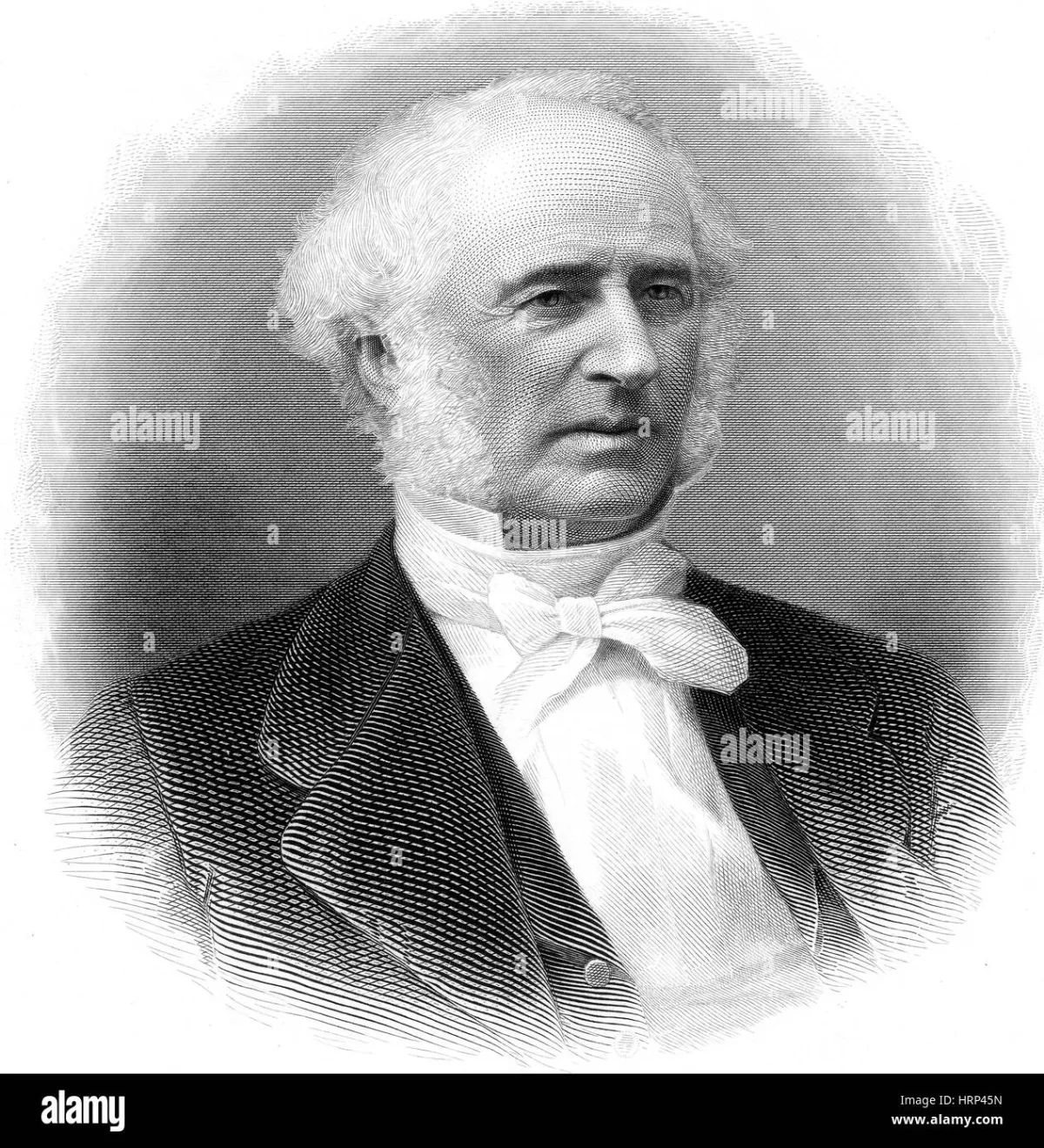 Photo: Cornelius Vanderbilt, via c8.alamy.com
More damaging was Walker's own incompetence as a ruler. His English-only decrees alienated Nicaraguans. His pro-slavery policies horrified a population that had embraced abolition. His land redistribution schemes created chaos in the countryside.
By 1857, Walker's empire was crumbling. Costa Rican forces invaded from the south while Honduran troops attacked from the north. Walker's American recruits began deserting as tropical diseases and military defeats mounted.
The Final Act of a Ridiculous Drama
In May 1857, Walker surrendered to the U.S. Navy, which transported him safely back to New Orleans. A reasonable person might have considered this a fortunate escape from an impossible situation.
Walker immediately began planning his return.
He attempted two more invasions of Central America, each more pathetic than the last. His final expedition in 1860 landed him in Honduras, where local authorities promptly arrested him. This time, there would be no American rescue.
On September 12, 1860, William Walker faced a Honduran firing squad. His last words reportedly included a request that his death be reported accurately in American newspapers—the failed journalist's final concern with getting the story right.
The Unbelievable Legacy
Walker's story seems too ridiculous to be true, yet every detail is documented history. For nearly two years, a failed American lawyer actually ruled a Central American nation. His government issued currency, signed international treaties, and conducted diplomatic relations with world powers.
The episode nearly triggered a war between the United States and Great Britain, whose interests in Central America clashed with Walker's ambitions. It demonstrated the chaotic potential of American expansionism in an era when individual adventurers could reshape international boundaries.
Most remarkably, Walker's brief reign proved that in the 19th century, the gap between fantasy and reality was sometimes paper-thin. All it took was 58 men, superior firepower, and breathtaking arrogance to turn a failed journalist into an emperor.
The fact that it actually worked—however briefly—remains one of history's most unbelievable true stories.